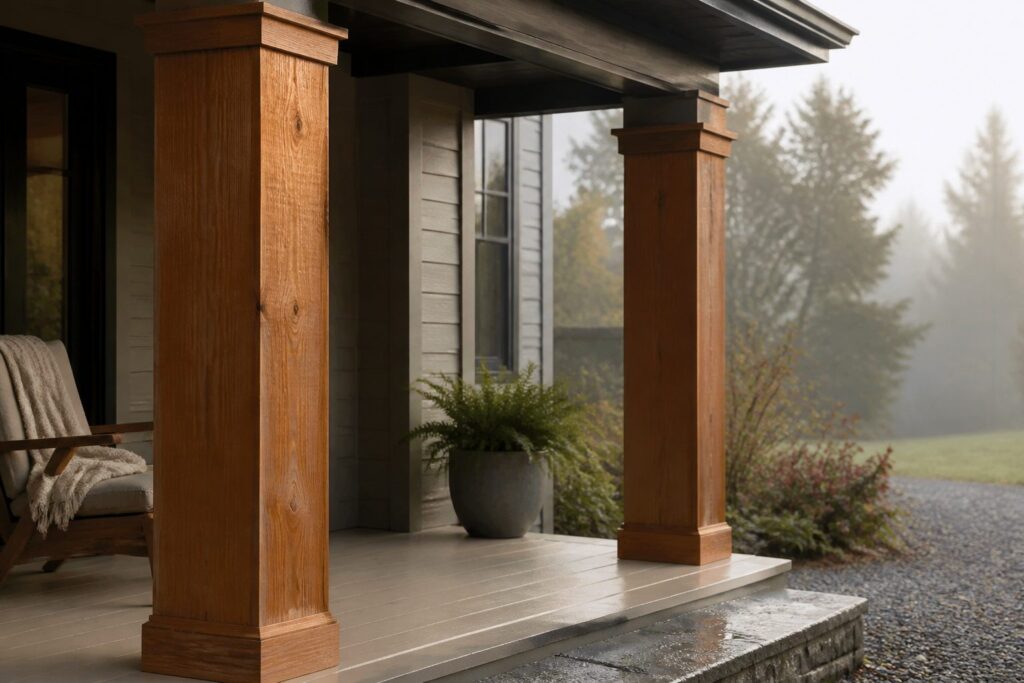
Cedar wrapped porch posts are structural columns clad in cedar boards around a solid core, sized from 4" x 4" to 6" x 6" and beyond.
The real split is between load-bearing need and decoration: a 4×4 handles 1700 lbs for modest overhangs, while a 6×6 carries 4500 lbs for roof lines and snow loads.
Plain square posts suit modern lines; Victorian turnings belong on historic porches where the post itself is ornament. Sapele and African Mahogany substitute when cedar prices sting, though neither forgives a sloppy wrap job.
[link-whisper-related-posts]4" x 4" Traditional Cedar Porch Post
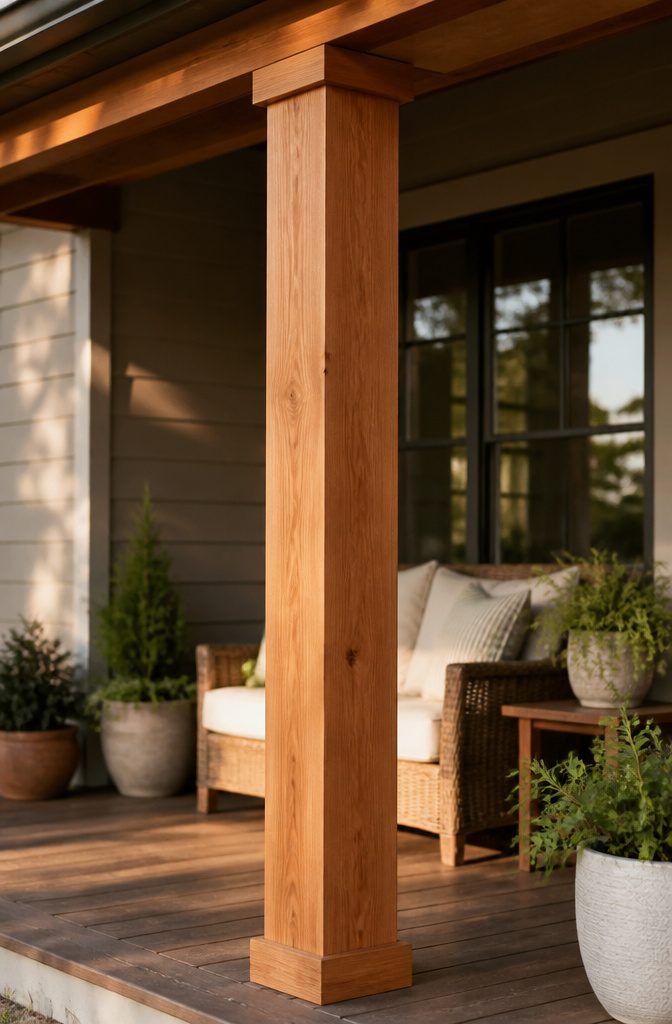
The 4" x 4" cedar wrapped porch post is the size I would have started with if I were wrapping my own posts last summer.
At 96 inches nominal height, though the actual piece runs closer to 95-3/4", it fits standard porch ceilings without the waste of a 10-foot board.
The load rating sits at 1700 lbs, which is plenty for a roof overhang or a modest pergola but not something I would push if I were spanning a wide gable.
Construction matters more than the nominal dimension suggests. Kiln-dried cedar or finger-joint laminated stock keeps the post from twisting after the first humid season, and the 3-1/2" actual base width gives you a true 4" face once trim goes on.
The $699.99 MSRP puts it in reach for a weekend project without the guilt of tearing out something half the price that failed in two years.

【For What Size?】Actual internal size of our fence caps is 3.6”×3.6”, which is suitable for 3.5*3.5 inches to 3.6*3.6 inches wood fence post. Application for protecting the top of wood post like deck railing, wooden fence, woody handrail, porch railing and so on. NOTE that measure your posts before use and sanding is required for the wood to fit the post cover if your wood is slightly larger.

Ideal for securing and stabilizing a nominal 4" x 4" post to a wood post or surface
6" x 6" Traditional Cedar Porch Post
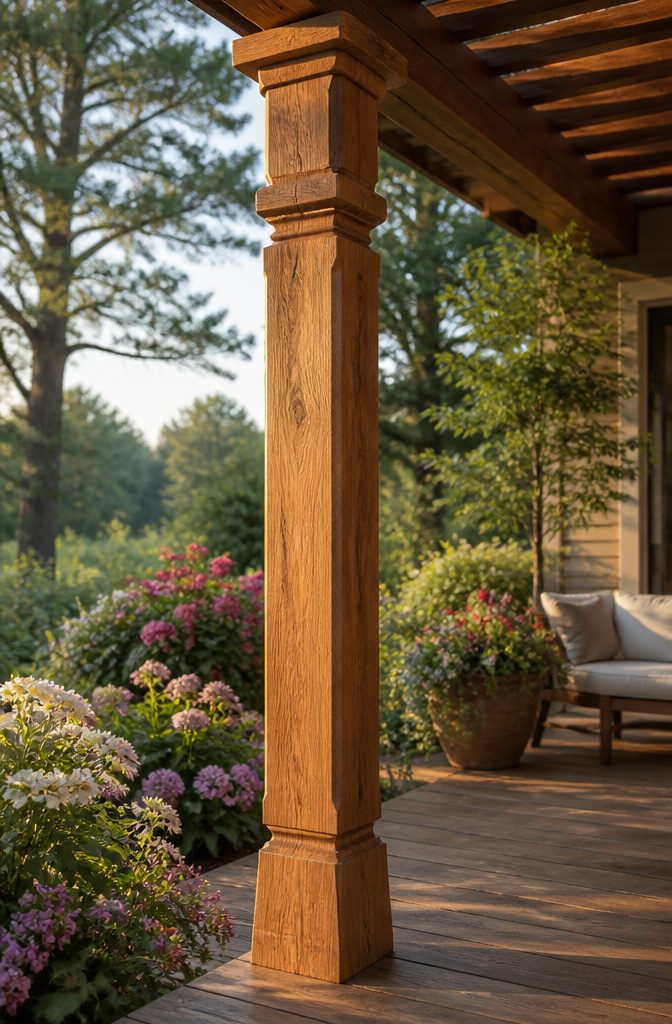
A 6" x 6" cedar wrapped porch post carries 5,250 lbs at the base with a full 4500 lb load rating, which is the number that matters when you are holding up a roof line or a pergola that takes wind and snow.
The actual base measures 5-1/4" square, the same proportional shaving down you see in lumber, and the height runs the standard 96 inches though you should budget for a possible 1/4" shortfall in either direction.
That extra two inches of face width over the 4" x 4" does not read as much until you stand beside it.
In person the post looks planted, almost furniture-heavy, and the turned details that suit traditional or historic homes have room to show their shape without looking squeezed.
Kiln-dried cedar or finger-joint laminated construction keeps the thing stable after installation, but the material and the size both push the cost up from the smaller option.
I would not bother with this size unless the structure genuinely needs it. A decorative column carrying nothing but its own weight is overbuilt here, and the price gap pays for nothing you can see.
Where the load is real, though, the 4500 lb rating is not excessive; it is headroom against a bad winter or a future owner who adds weight you did not plan for.

PREMIUM VINYL WRAP WITH ELEGANT DESIGN: Weatherables PVC Vinyl Post Wraps are the simple solution to outdoor deck post upgrades and refurbishments, offering a lasting yet low-maintenance fix for any standard deck or patio post.

Complete Package: the package comes with 4 pieces of fence cedar post caps, designed to fit ideally on 6 x 6 inch posts, providing complete guard and coverage for your fence or deck

Package Includes: the package comes with 2 pieces of post caps, the color of the cedar complements your surroundings, adding a touch of elegance to outdoor space, making your fence stand out in style
Plain Square Cedar Posts
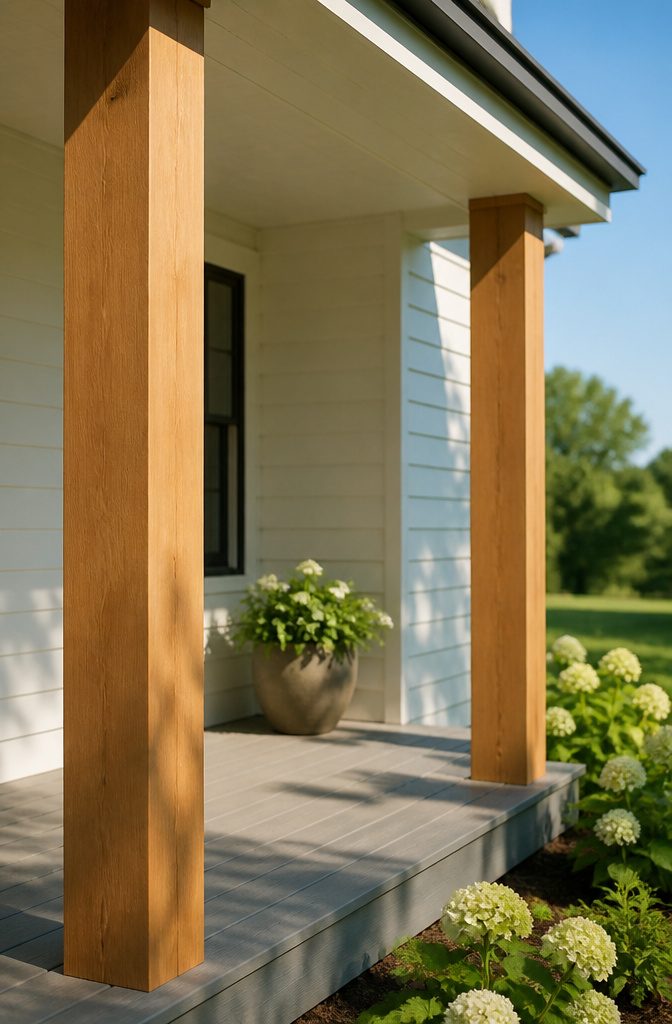
A plain square post is the one you see least on Pinterest and the one most porches actually need. Cedar wraps cleanly around a 4×4 or 6×6 core with no routed edges, no capitals, no base blocks.
The boards meet at crisp corners, and the grain runs straight enough that the post reads as a single solid piece rather than cladding.
This is the style for porches where the architecture does the talking, or for modern additions where ornament feels wrong. The lack of detail also means fewer joints to seal and fewer pockets where water lingers.
A flat surface dries faster than a routed profile, and re-staining every three years takes half the time because there is no crevices to work around.
Sizing runs from modest 4×4 wraps up to 8×8 and beyond for load-bearing posts on covered porches with real roof weight.
The proportion matters more than the absolute dimension: a skinny post on a deep porch looks like a toothpick, while an 8×8 on a small stoop looms.
I tend to step up one size from what looks right in the lumber yard, since cedar darkens and visually shrinks once it weathers.
Character costs you something. Plain square posts can read as unfinished rather than intentional if the rest of the porch has no material warmth elsewhere.
They need either good wood quality or a deliberate choice to let them gray to silver. Anything between, a blotchy middle ground where stain is failing but silver has not arrived, is the look that ages badly.

Perfect for Outdoor Projects – Ideal for decks, porches, gazebos, and other exterior railing applications.

Elegant Pineapple Design: Add classic charm and architectural detail to fences, decks, gates, or porch posts with this decorative pineapple finial featuring a smooth ring accent.
Elegant Pineapple Design: Add classic charm and architectural detail to fences, decks, gates, or porch posts with this decorative pineapple finial featuring a smooth ring accent.
Victorian Cedar Porch Posts
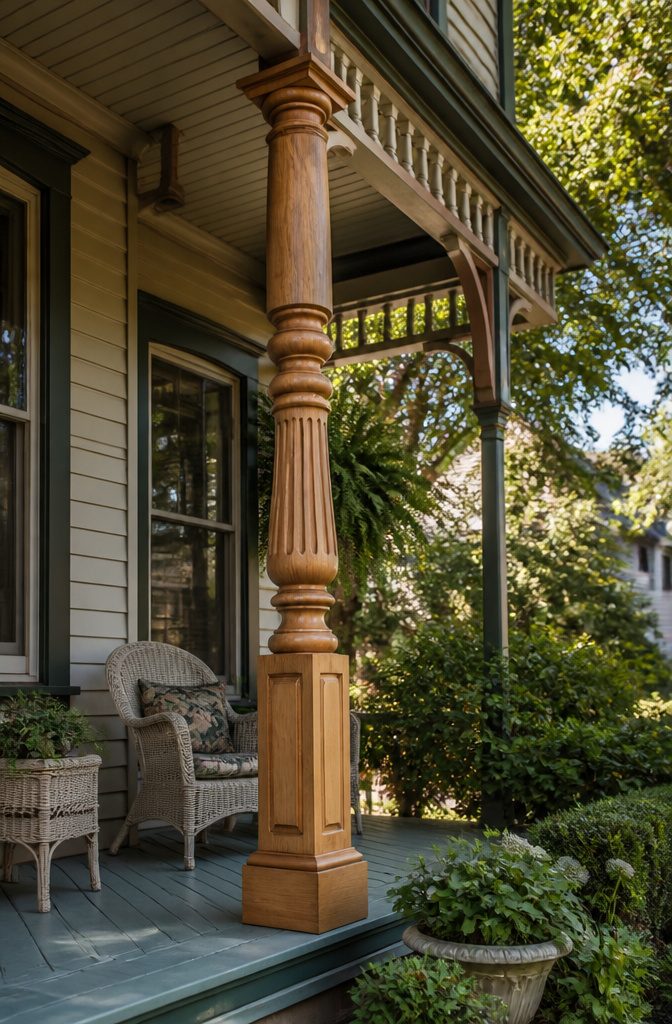
Victorian cedar porch posts carry the turned spindle details and ornamental profiles that read as authentic on older homes, especially Greek Revival or Queen Anne porches where the post itself is part of the decoration.
The source material mentions decorative turned details that enhance traditional and historic homes, and that single phrase captures the difference between a post that belongs and one that merely holds up the roof.
A plain square post does the structural work without competing for attention, which suits a modern farmhouse or a minimal entry. On a Victorian porch, that same plain post looks unfinished, like a placeholder the builder meant to return to.
The ornament changes the whole rhythm of the space: your eye travels up the flutes or bulbous turnings before it reaches the roofline, and the porch reads as a deliberate room rather than a lean-to.
The Mr. Spindle Traditional Cedar Porch Post line includes these Victorian-style porch posts alongside plainer options, which tells you the manufacturer treats them as distinct architectural choices, not just upgraded versions of the same thing.
Kiln-dried cedar or finger-joint laminated construction keeps the detailed profiles stable after installation, since ornate turnings show every crack or warp that a flat face would hide.
Sealing and finishing matters more here than on a square post; water finds the grooves.

Aesthetics Outstanding Outdoor Adaptability: the cedar gothic post tops, coming in 2 pieces and boasting a natural cedar color, promise a captivating touch to your indoor space; Their rustic gothic style and inherent cedar wood texture add an exceptional elegance to your railing while complimenting the surrounding environment; With their robustness and sturdiness, these fence toppers can withstand varied weathers, ensuring longer lifespan

Comprehensive Package Ready for Installation: the package includes 2 pieces of fence cedar ball top post cap, colored in yellow, engineered with precision to fit your needs; This post cap can be reused, ensuring long time of use, promoting sustainability in your surroundings

NATURAL HIGH PYRAMID TOP DESIGNED FOR 4x4 POST: Inside dimensions of our post caps are 3-5/8" X 3-5/8" inches.
Sapele and African Mahogany Alternatives
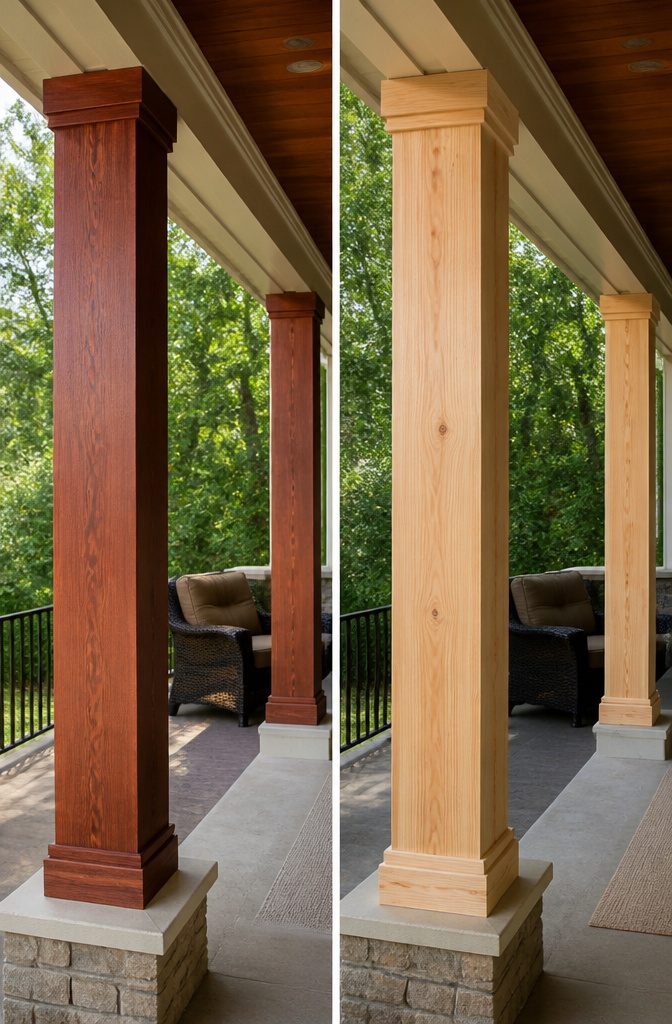
Sapele and African Mahogany both stand in for cedar when the budget needs trimming but the porch still has to last.
Sapele carries the same rot and insect resistance, and its reddish-brown tone warms up a post the same way cedar does.
The interlocking grain runs tighter, which means more patience with your miter cuts and a sharper blade on the table saw.
African Mahogany matches cedar on weather resistance and workability, and its color deepens to a richer brown as it sits in the sun.
Neither species demands the premium cedar fetches in every market, though prices shift enough by region that a local lumber yard beats any rule of thumb.
The real difference is the grain: Sapele’s ribbon-like figure shows every mistake, while African Mahogany forgives a rookie wrap job. For a weekend project with one shot at getting it right, that forgiving quality matters more than the exotic look.

【Fit for wood post size】: The interior dimension of this 4x4 matte black pyramid cap is 3-5/8" x 3-5/8", made for 3.5" x 3.5" up to 3.625" x 3.625" size post(NOT for other size post). Robust and beautiful!

PREMIUM VINYL WRAP WITH ELEGANT DESIGN: Weatherables PVC Vinyl Post Wraps are the simple solution to outdoor deck post upgrades and refurbishments, offering a lasting yet low-maintenance fix for any standard deck or patio post.

Comprehensive Package Ready for Installation: the package includes 4 piece of fence cedar ball top post cap, colored in yellow, engineered with precision to fit your needs; This post cap can be reused, ensuring long time of use, promoting sustainability in your surroundings
What Cedar Resists and Why It Lasts
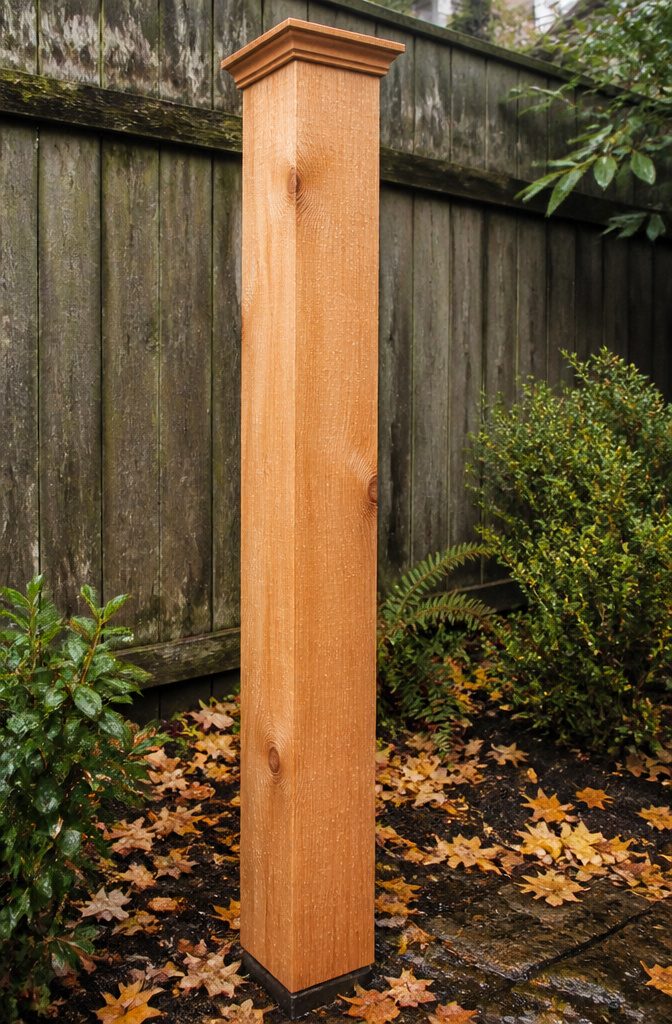
Cedar carries its own protection. The natural oils in the wood act as a built-in barrier against rot and insects, which means cedar wrapped porch posts hold up without chemical preservatives that softer woods depend on.
Pine sits at the other end of that comparison: it arrives vulnerable, needs treatment to survive outdoors, and still dents and scratches more easily through ordinary use.
That difference shapes the maintenance load over years, not months. Cedar asks for less sealing, less repainting, less watching for the warping or cracking that treated pine can still develop.
The upfront cost runs higher, but the gap narrows when you count the weekends not spent re-coating posts or replacing a section that failed early.
The grain and warm tone get talked about more, yet the durability is what keeps cedar in the conversation for renters fixing up a porch they might leave behind, and for first-home owners who need one project to stay done.
A post that resists decay without help from a can of chemicals is a post that forgives a delayed maintenance schedule, which is the schedule most of us actually keep.

【Fit for wood post size】: The interior dimension of this 6x6 matte black pyramid cap is 5-5/8" x 5-5/8", made for 6x6 nominal size post (5-1/2"x5-1/2" actual size). Robust and beautiful!

【For What Size?】Actual internal size of our fence caps is 5.6”×5.6”, which is suitable for 5.5*5.5 inches to 5.6*5.6 inches wood fence post. Application for protecting the top of wood post like deck railing, wooden fence, woody handrail, porch railing and so on. NOTE that measure your posts before use and sanding is required for the wood to fit the post cover if your wood is slightly larger.

PREMIUM VINYL WRAP WITH ELEGANT DESIGN: Weatherables PVC Vinyl Post Wraps are the simple solution to outdoor deck post upgrades and refurbishments, offering a lasting yet low-maintenance fix for any standard deck or patio post.
How Cedar Looks and How It Ages
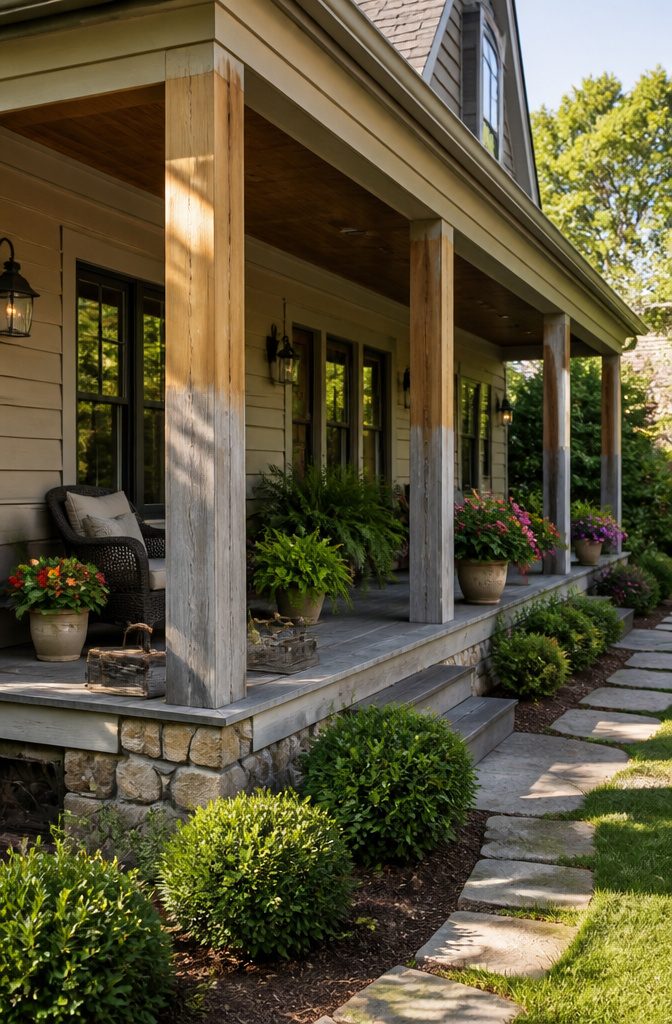
Cedar carries a warmth that painted posts never quite match. The grain runs tight and fine, almost linear, and the fresh board holds tones that shift between honey and something closer to amber depending on the angle of the light.
Left alone, cedar silvers out over two or three seasons to a soft gray that reads as intentional, not neglected, though the shift happens faster on the south face of a porch than anywhere else.
Stain it within the first year if you want to keep that original color. After that, the gray sets in and the surface starts to hold weather unevenly; you are then looking at sanding before any coating will take evenly.
Water-based stains sink in faster on cedar than on harder woods, so the first coat goes on thin and you watch it rather than following a timer.
Oil-based buys you more working time but costs more and needs mineral spirits for cleanup.
The choice between letting it age and fighting to hold the tone is really a choice about how many weekends you want to spend on a ladder.

Classic Pineapple Design: Add timeless architectural style to fences, decks, gates, or porch posts with this jumbo wood finial featuring an elegant pineapple shape and ring detail.
Perfect for Outdoor Projects – Ideal for decks, porches, gazebos, and other exterior railing applications.

Perfect for Outdoor Projects – Ideal for decks, porches, gazebos, and other exterior railing applications.
Working With Cedar
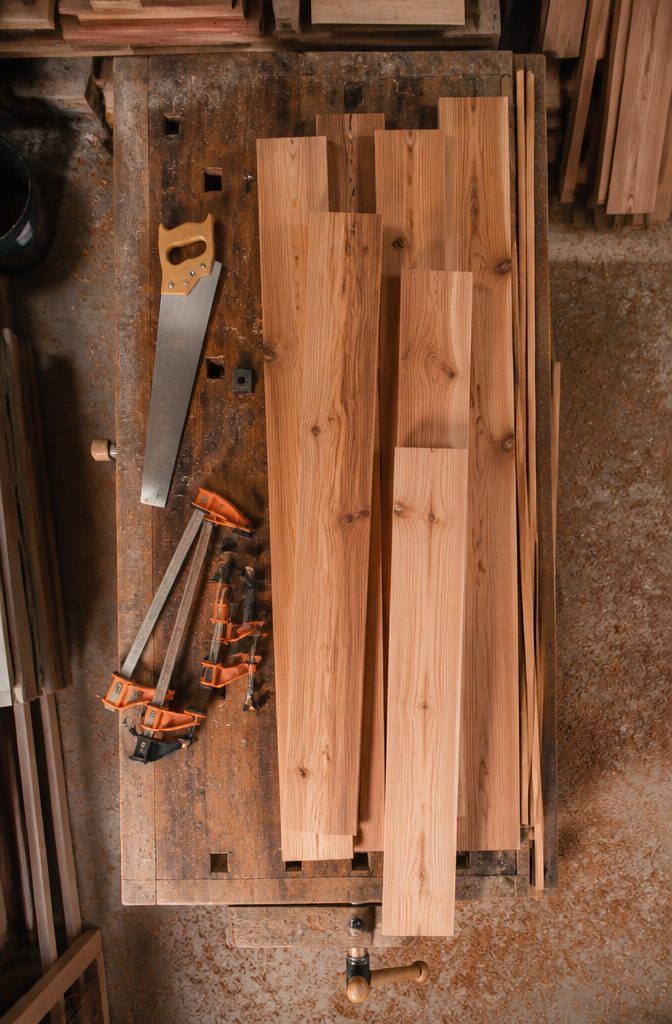
Cedar’s light weight is the first thing that registers when you lift a board onto the sawhorses. After swapping a few oak posts for cedar wraps on my own porch, the difference in handling was immediate.
Oak’s density fights every cut; cedar lets the blade glide through without binding, which matters when you’re cutting multiple pieces to match existing trim profiles. The softer grain also forgives slight misalignments that would splinter harder woods.
That workability opens up designs that would be punishing in other species.
Routed edges, small chamfers, even custom capitals are all on the table because the material cooperates rather than resists. Sapele and African mahogany come close for outdoor durability, but sapele’s interlocking grain demands sharper tools and more patience.
African mahogany shapes more readily, yet neither matches cedar’s willingness to hold fine detail without chipping. For a weekend project with basic power tools, that forgiving quality saves hours of sanding and rework.

Complete Installation Kit: this all-inclusive wood post mounting set contains exactly what you need: 1 cedar ball finial cap, 4 wooden base skirts, 4 L-brackets, and 28 screws; The carefully selected components are perfectly matched for securing 1 posts, eliminating the need to source additional hardware; Everything comes ready to install right out of the package

ELEGANTS DESIGNS: Our Windon Interior wood finials is made of laminated wood that adds a striking touch to your unfinished wood furniture or any project, enhancing your home’s look with a perfect finish for tops, ends, or corners.

What Cedar Costs Over Time
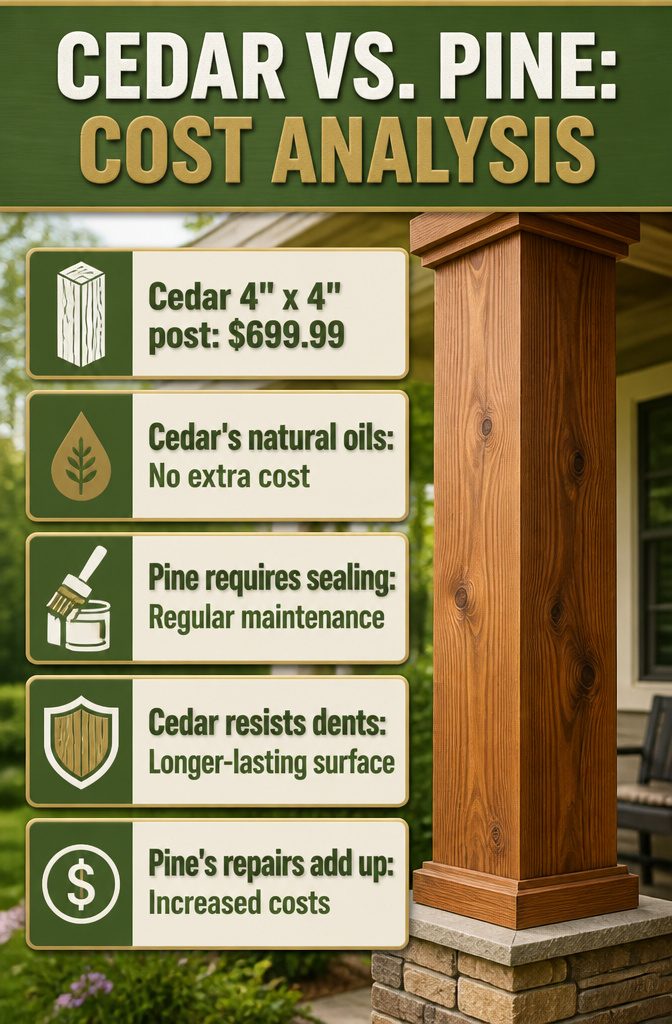
Cedar runs higher than pine at the lumberyard, and that gap does not close on its own.
I have watched homeowners flinch at the per-post price, then sign off anyway after they price out the third round of stain and sealant on cheaper wood.
The natural oils in cedar do the preservative work that pine demands you buy separately, and that difference compounds across a decade.
A 4" x 4" cedar post runs about $699.99, which sits well above treated pine for the same dimension. The spread narrows, though, once you factor in the maintenance cycle.
Pine needs regular sealing or painting to keep from cracking, warping, and discoloring; skip a season and the repair cost resets the board. Cedar’s resistance to rot and insects comes built in, not bought later.
Softness is the other hidden cost with pine. Dents and scratches show up fast on a post that sees bags, boots, and furniture moves, and each blemish is another trip to the hardware store.
Cedar holds its surface longer, which matters more than the sticker price if you are counting weekends, not just dollars.
For a project you want to finish once and live with, the math points one direction. For a tight budget this year with a possible sale next, pine keeps more cash in hand now.

DURABLE ALUMINUM CONSTRUCTION- Once installed, these metal post caps are practically maintenance free! The weather resistant aluminum construction is designed to handle the...
Frequently Asked Questions
What are the benefits of cedar porch posts?
Cedar porch posts resist rot and insects naturally, without chemical preservatives.
The wood is lightweight and easy to cut, which saves time on installation. Over years, the lower maintenance load narrows the upfront cost gap with cheaper woods.
How do I maintain cedar porch posts?
Seal or stain within the first year if you want to keep the original honey-amber color; after that, the gray weathers in unevenly and needs sanding first.
Water-based stains sink in fast on cedar, so apply thin and watch the absorption rather than timing it. Re-staining plain square posts takes less time than ornate Victorian profiles because there are no grooves or crevices to work around.
What sizes do cedar porch posts come in?
Common sizes are 4" x 4" and 6" x 6", both at a nominal 96 inches height though actual length can run 1/4" short.
The 4" x 4" carries 1,700 lbs, while the 6" x 6" rates at 4,500 lbs. Plain square styles scale up to 8×8 and beyond for heavy roof loads.
What is the best sealant to use on outdoor cedar posts?
Water-based stain penetrates cedar faster than on harder woods, so the first coat goes on thin and you monitor it rather than follow a timer.
Oil-based gives more working time but costs more and needs mineral spirits for cleanup. Either beats waiting too long; once cedar silvers out, you are sanding before any coating will take evenly.
How to wrap porch pillars in cedar?
Cedar wraps cleanly around a 4×4 or 6×6 core, with boards meeting at crisp corners so the post reads as solid rather than clad.
The material cooperates with basic power tools, and its softness forgives slight misalignments that would splinter harder woods. Sapele and African mahogany can substitute, though sapele’s interlocking grain demands sharper blades and more patience.
What type of wood for porch posts?
Cedar leads for natural rot and insect resistance, light weight, and workability. Sapele and African mahogany match cedar on weather resistance at a lower price point, with African mahogany forgiving rookie wrap jobs better than sapele’s ribbon grain.
Pine arrives vulnerable, needs chemical treatment, and still dents and warps more easily through ordinary use.
Can cedar posts be stained?
Yes, and you should stain within the first year if you want to hold the original honey-to-amber tone.
After two or three seasons of sun, especially on the south face, cedar silvers to gray and the surface holds weather unevenly; coating then requires sanding first.
Water-based stains sink in fast on cedar, so apply thin and watch the absorption.