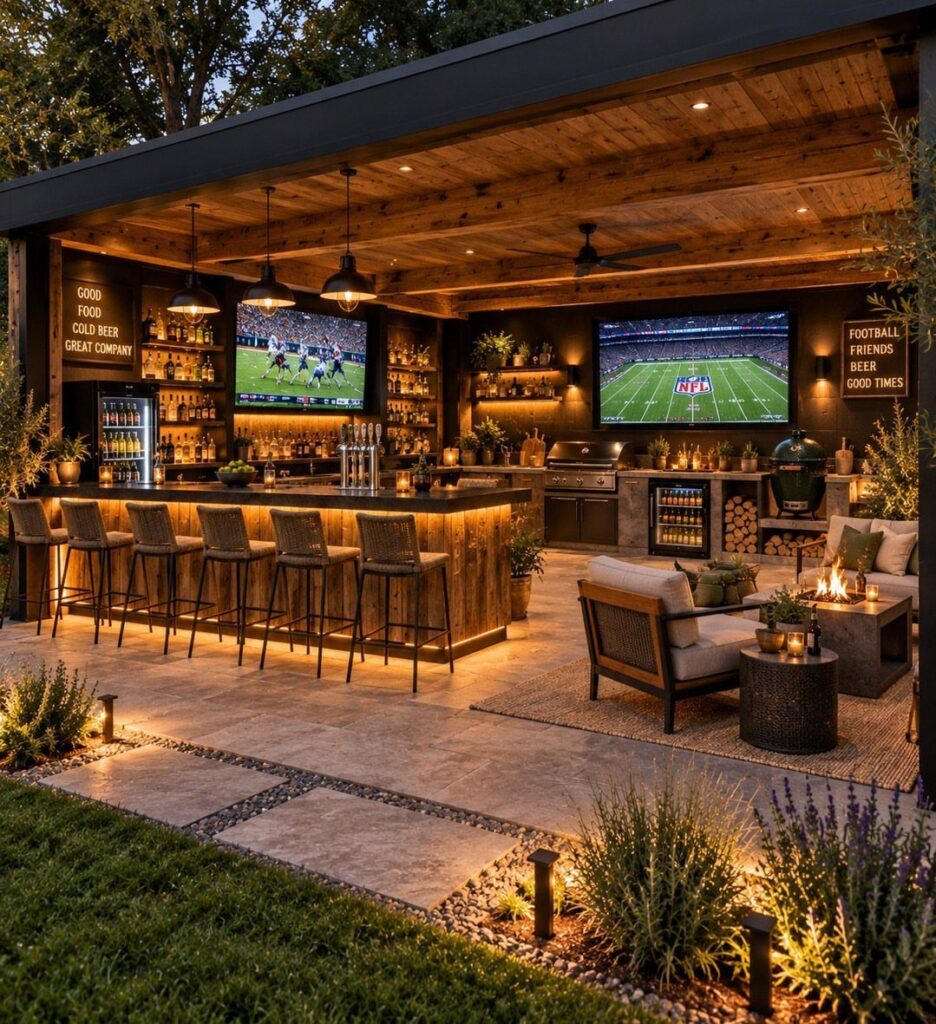
These setups run from a built-in grill station to a portable cart on wheels, so the deciding factor is how often you cook outside, whether you need shade or seating built in, and whether the whole thing needs to move with you.
A built-in stone island suits the weekly griller who owns the patio, while a portable grill cart on wheels keeps the option open for renters or anyone facing a move.
[link-whisper-related-posts]1. Built-In Grill
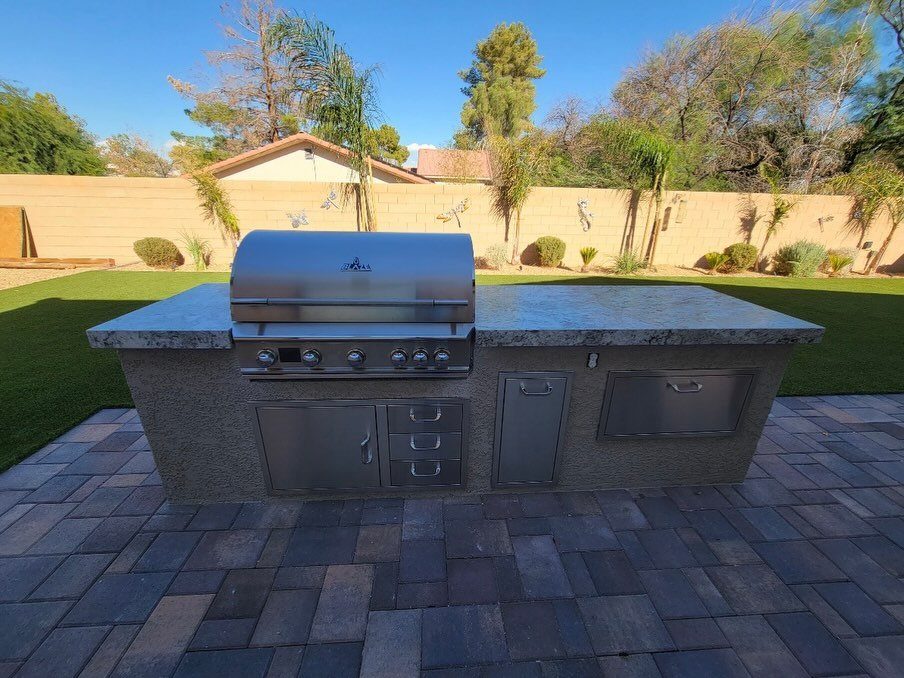
A built-in grill becomes part of your patio itself.
A stone-topped island with cabinets below gives you storage and a work surface that wraps on both sides, so you actually have somewhere to set a platter of raw burgers without running back to the kitchen.
A sink, fridge, and storage for utensils are common additions; prioritize the fridge and skip the sink if the budget is tight, since a hose and a bucket handle cleanup fine and plumbing costs run long past a weekend.
Concrete or stone surrounds last against weather and match most paving. This suits homeowners who grill at least weekly from spring through fall and want the grill ready to light without wheeling anything out.

The entire built in gas grill is made of 304 stainless steel, with a main body thickness of over 2mm. The elaborately polished corners exude an air of high-end quality.
Made of a water sheeting polyester PVC blend material

Flexible 3-Level Storage: Two height-adjustable shelves create organized zones for cookware, serveware, seasonings, cleaning supplies, and other outdoor kitchen essentials; a practical outdoor kitchen cabinet setup for everyday grilling
2. Outdoor Kitchen
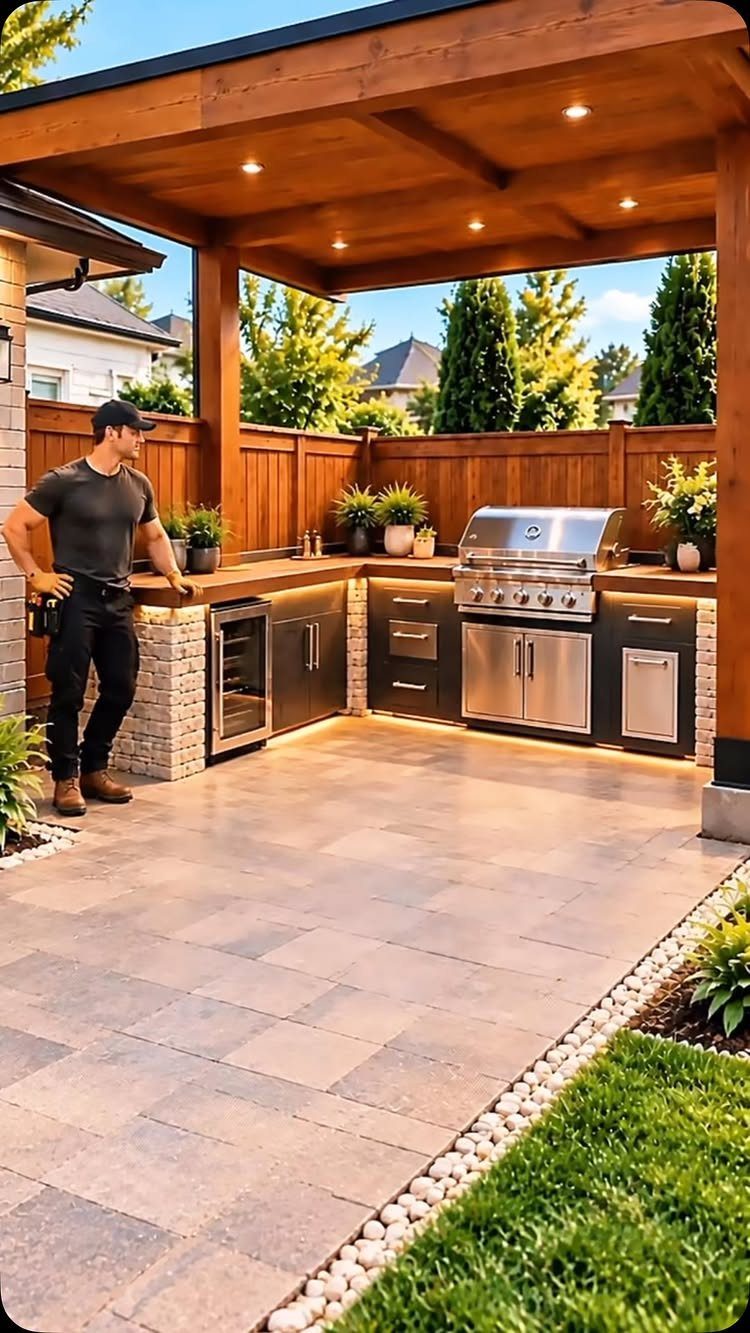
A full cooking wall with grill, beverage cooler, stone counters, and lighting underneath lets you find the tongs after dark without groping.
What separates an outdoor kitchen from a built-in grill is the completeness. You are not stepping inside for plates or ice; the space handles the whole meal.
A raised bar counter where guests can sit and talk while you work keeps the cook in the conversation instead of exiled to the far side of the yard.
I would check whether your patio has the electrical and gas lines before committing, because adding them afterward is where costs double.
This version uses marine-grade cabinetry and soapstone, which handles weather without sealing every season. Best for people who entertain monthly or more and have the patio footprint to spare.

Built-In Cold Drink Fridge: This ROVSUN grill cart features a dedicated refrigerated area to keep beverages perfectly chilled while you cook. No more running inside for cold drinks or filling coolers with melting ice. Store beer, soda, or water right at your prep station—ideal for hot summer barbecues, garden parties, or all-day tailgating events
Cleans, polishes & protects stainless steel: Our stainless steel cleaner for appliances removes fingerprints, grease, residue, and water spots. This kit includes spray, which won a 2026 Good Housekeeping Cleaning Award, cloth & appliance wipes that leave a streak-free shine and a protective barrier that helps prevent future smudges.

POWERFUL BURNERS: This outdoor gas grill island features six high-powered 12,000 BTU burners providing efficient and even heating for outstanding grilling results. The infraded 15,000 BTU rear burner with the rotisserie kit, produces a juicy and delicious roast. A 12,000 BTU side burner is perfect for cooking side dishes, boiling water, or heating sauces while you grill.
3. Seating Areas
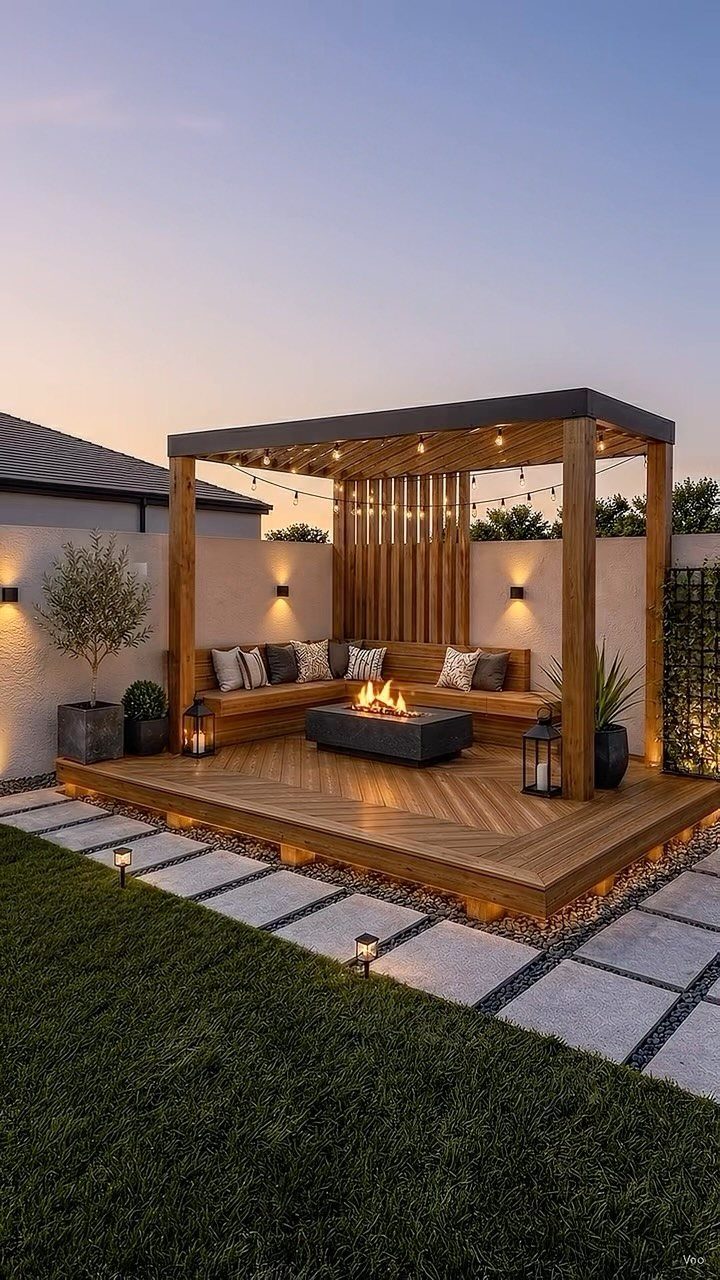
Where people sit determines whether your grill area feels like a hangout or a waiting room.
A built-in bench wrapping a fire pit keeps everyone in conversation range; bar stools at a counter keep guests near the cook without crowding the heat.
Leave the cook enough room to move safely between grill and prep zone, but keep seats close enough that conversation flows naturally.
I have seen layouts where the table sat so far from the heat that the cook missed half the party.
A dining table nearby works for sit-down meals; lounge seating suits longer, slower evenings. Match the furniture to how you actually eat outside, not how you picture it.

Safe For Everyday - Perfect for everyday cleaning

GLOSSY WHITE GRANITE DESIGN: Featuring a glossy finish with realistic gray and beige speckled stone grains, this white granite contact paper delivers the polished luxury of natural stone surfaces to elevate kitchen, bathroom, and home interiors

BUILT-IN SINK & FAUCET FOR EASY CLEANUP allows you to rinse produce, wash hands, and clean utensils without leaving your outdoor cooking space, making food prep and hosting smoother and more efficient
4. Covered Cooking Station
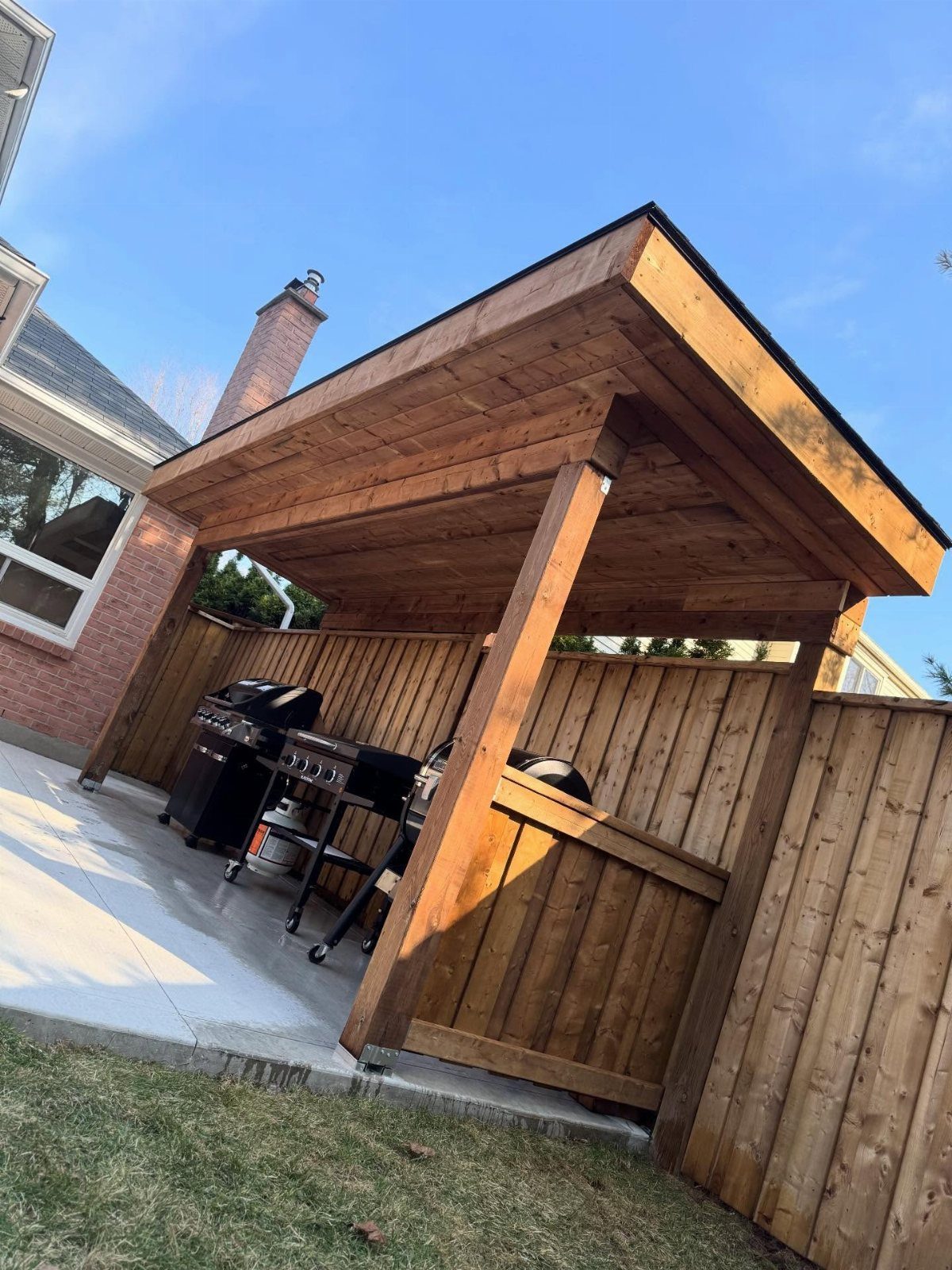
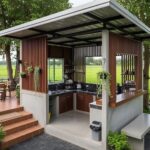
Rain or harsh sun can end a cookout early, and a roof over the grill fixes that. Simple wood framing against a fence shelters multiple cookers with no fancy structure, just enough cover to keep the fire lit.
A solid roof blocks more weather than a pergola, though pergolas move air better and cost less. Task lighting for night grilling and fans to clear smoke are both worth wiring in during construction rather than stringing cords later.
I would build the cover deep enough that you stand under it too, not just the grill. This pays off most in climates where spring and fall showers come without warning.

【Wide Compatibility】Fits most rectangular fire pits, nice for Outland Living series 401/403 fire table Dimensions: 44"L x 34"W x 25"H. Measure your fire pit before ordering.
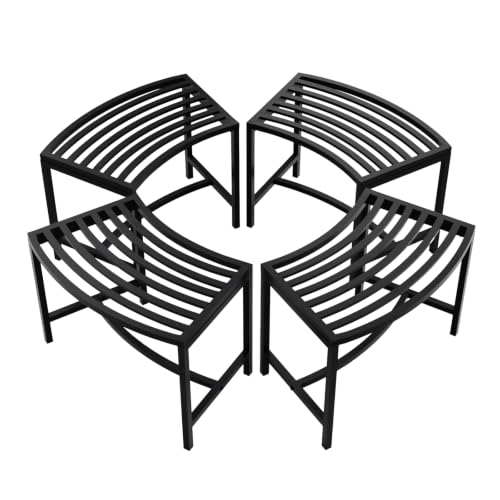
Built to Last: Crafted from heavy-duty iron, our backless patio benches feature a durable, smooth non-toxic finish. The reinforced T-shaped base design provides exceptional stability, safely supporting up to 300 lbs per bench.

𝟑𝟔𝟎° 𝐒𝐚𝐟𝐞𝐭𝐲 𝐑𝐚𝐢𝐥𝐢𝐧𝐠 & 𝐂𝐨𝐨𝐥 𝐙𝐨𝐧𝐞: This fire pit tabletop features a surrounding safety rail that acts as a crucial heat barrier, protecting children and pets. It also provides a stable, cool surface to keep drinks and snacks within easy reach, ensuring safety while enhancing your gathering.
5. Portable Grill Cart
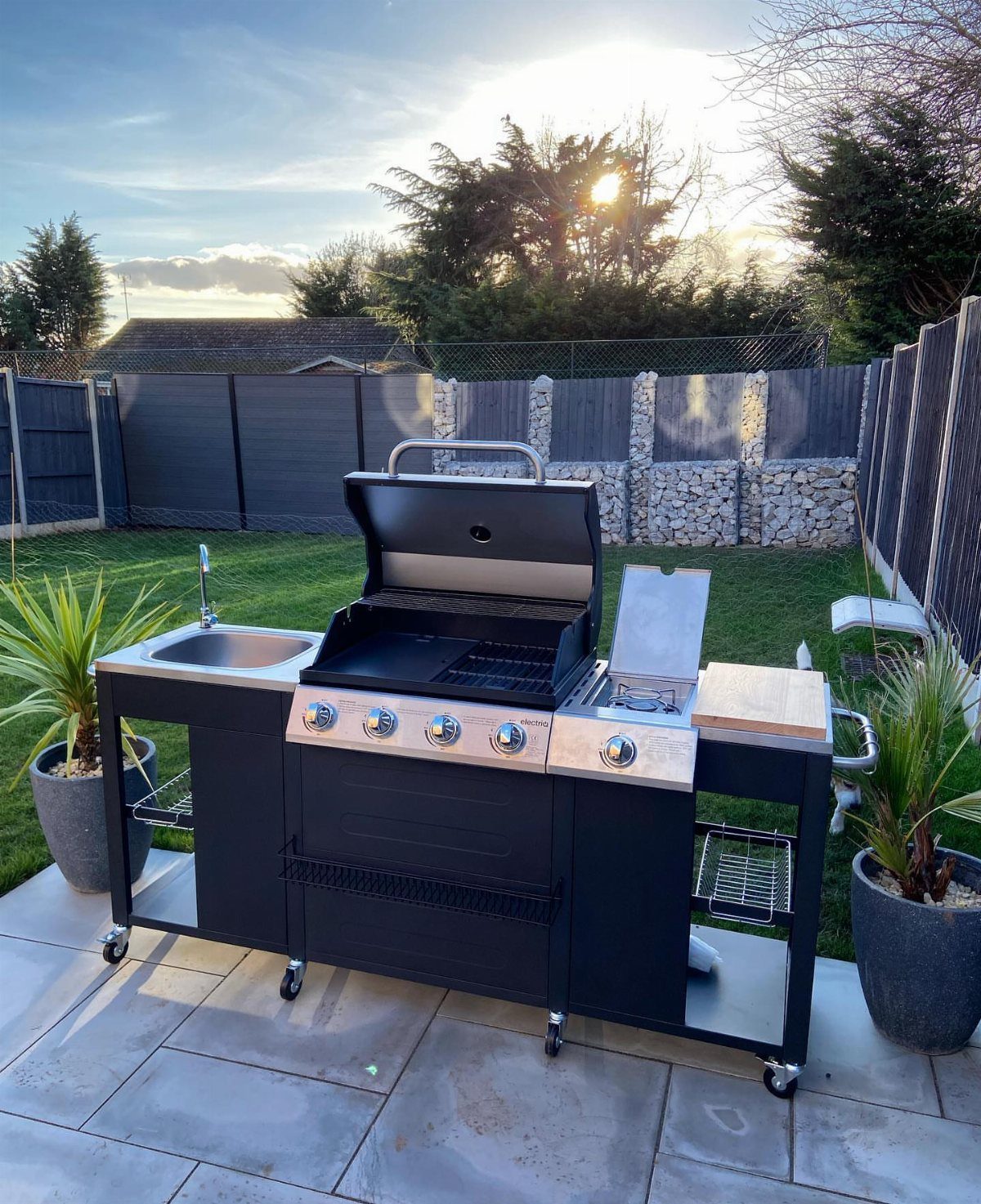
Mobility matters more than people admit. A cart on wheels that carries a sink, side burners, and cutting board means your entire cooking station relocates for a party, a home sale, or a worn deck that needs replacing.
You can build one yourself from steel framing and add only the components you use; start with a basic cart and attach a prep surface, then add storage as habits settle.
I like that you can wheel it to the garage in winter rather than covering it outside.
This suits renters, anyone who might move soon, or cooks who want the grill near the pool in summer and the patio in fall.

Grill Griddle Cover Size: 23"D x 32.8"W x 39.6"H. Compatible for Charbroil bistro pro electric grill & griddle, or orther grill of the same size. Please check your grill's dimensions

[Spacious 6x12 Grill Gazebo] Make every cookout a reason to gather. Measuring 6 x 12 ft, this hardtop grill gazebo offers generous overhead coverage for outdoor cooking and casual get-togethers. From patios and gardens to backyard decks, this grill gazebo 6x12 creates an inviting spot to fire up the grill and enjoy time together.

【Ideal for outdoor grilling】: This grill gazebo creates a perfect spot and patio shade for you to enjoy BBQ party and cooking with 8' x 5' large footprint in the backyard.
6. Pergola for Shade
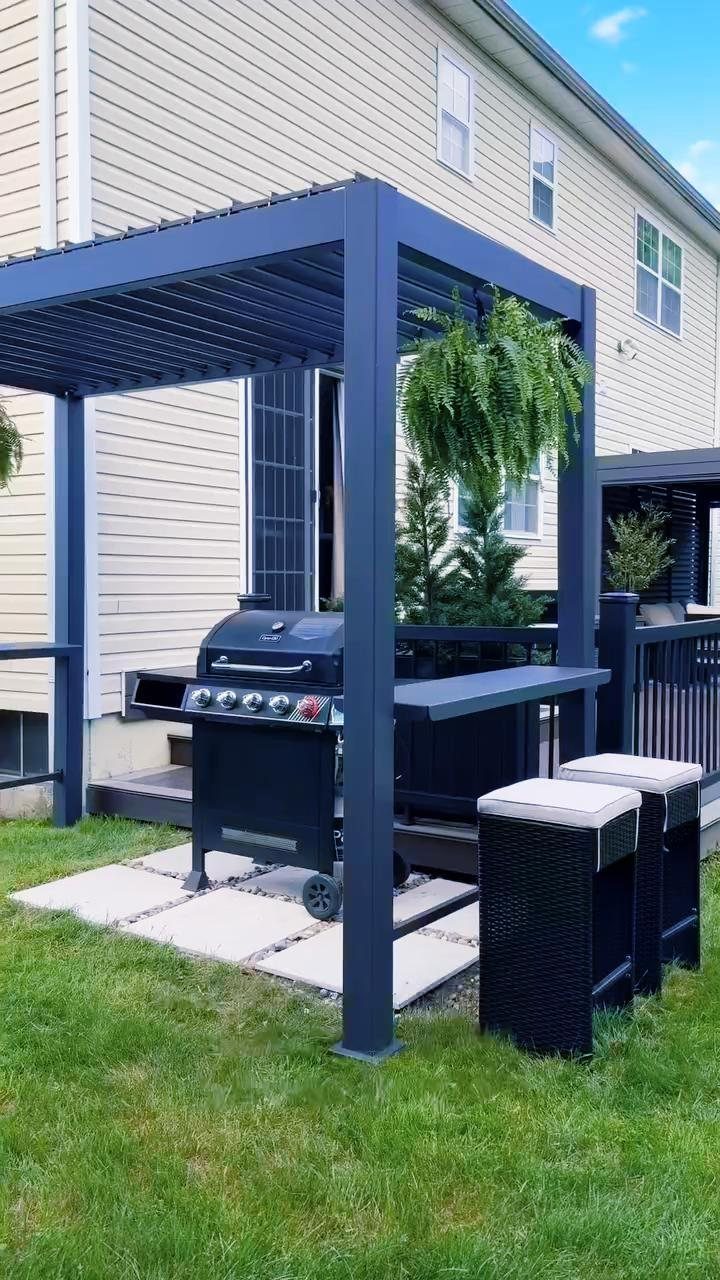
A pergola defines your cooking station as a real place instead of a grill parked on paving.
A dark metal frame shading a grill and side bar with 2 stools gets softened by hanging plants that break up the hard lines.
Louvered tops or retractable canopies let you adjust for sun angle and light rain; fixed slats look cleaner but offer less control.
Tile on the back wall works as a splash surface worth copying if the grill sits near siding that stains easily.
Pergolas read as structures, not tents, so neighbors and buyers tend to accept them without complaint. Best for yards where afternoon sun makes the patio unusable by midafternoon.

Mobile Prep Space by Your Grill: A 304 stainless steel top adds workspace beside the grill, while the rolling cabinet keeps prep and serving supplies close at hand; a practical outdoor kitchen cabinet setup for everyday grilling

[Dual Fuel Ready] This 6-burner built in grill head operates on liquid propane (LPG) and features a natural gas convertible design. Easily adapt your fuel supply to match your outdoor kitchen setup using a conversion kit (sold separately)

【High-Quality Materials】This BBQ outdoor kitchen trash drawer is made of solid 304 stainless steel construction that makes our trash drawer more hardness, anti-rust and anti-scratch. It can be wiped well with no marks or smudges left, one piece frame construction for durability and not easily deformed.
7. String Lights
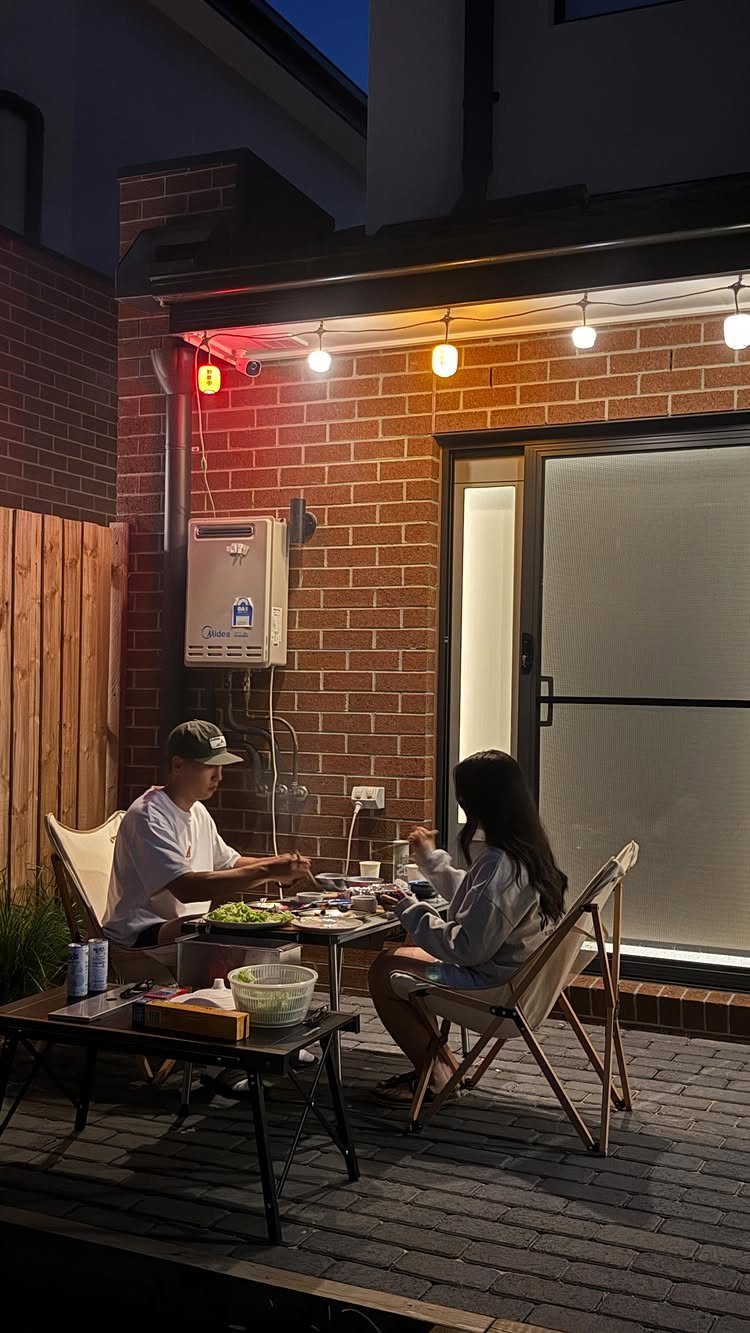
String lights turn a patio into somewhere you want to stay after dark. LED strands cost more upfront than incandescent but last years longer and draw so little power that solar or battery options work fine without outlets nearby.
I would hang them in loops rather than straight runs; the light spreads more evenly and one burned bulb does not leave a gap.
Solar path lights along stepping edges keep guests from tripping on the way to the grill. This suits anyone whose cooking stretches past sunset and who wants atmosphere without hiring an electrician.

【STRONG MAGNETIC HOOKS】These magnetic hooks made of neodymium magnets offer more than 30lbs attractive force on horizontal application, reduce to nearly 10lbs if used vertically. Perfect for hanging aprons, towels, coats, storage and even heavy tools, these hooks ensure a reliable hold for both indoor and outside use.

【STRONG MAGNETIC HOOKS】These magnetic hooks made of neodymium magnets offer more than 30lbs attractive force on horizontal application, reduce to nearly 10lbs if used vertically. Perfect for hanging aprons, towels, coats, storage and even heavy tools, these hooks ensure a reliable hold for both indoor and outside use.

All-Weather Durability: Pro-Tect tested and proven to withstand up to 2,600 pounds or 30 inches of snow load, and winds up to 100 mph* with a full-coverage galvanized steel roof (must be anchored as specified in the Backyard Discovery instruction manual)
8. DIY BBQ Area
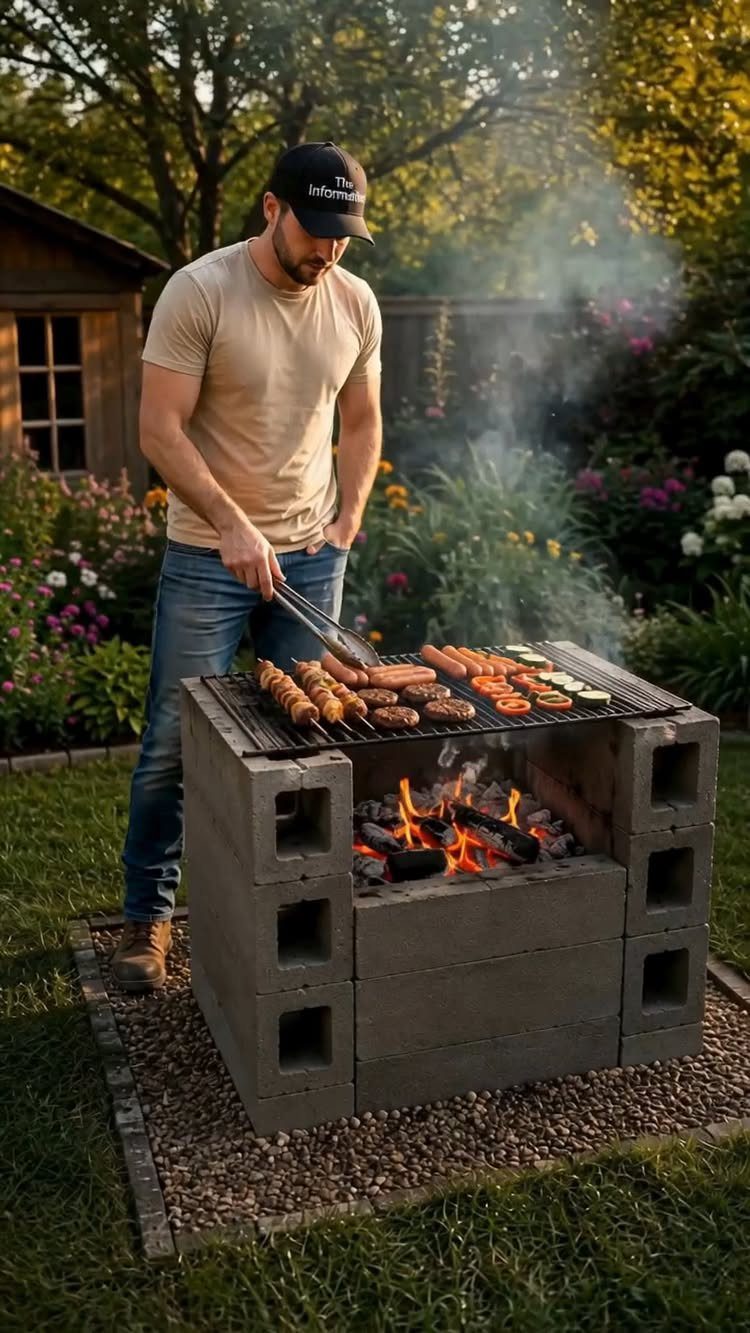
Cinder blocks stacked dry, no mortar needed, make a firebox and support a grate at cooking height.
Build 2 parallel walls with gaps for airflow, lay a surface across the top for the grill grate, and leave the front open to feed wood or charcoal.
Modular kits save the measuring but cost more; blocks let you adjust width to fit the grate you already own. A sheet of expanded metal or an old oven rack works if you do not have a proper grate yet.
This fits yards where a store-bought grill would look out of place or budgets where one would not fit at all.

Premium Solid Cedar Construction - Crafted from 100% solid cedar wood with a weather-resistant water-based paint finish, this cabinet offers natural rot resistance and durability for outdoor use. The adjustable feet provide effective moisture protection, preventing warping or damage from wet ground, ensuring long-lasting performance in patio environments

【Large Storage Space】The countertop cabinet has two drawers, an open space and a large bottom space with a door, allowing you to organize your belongings and make full use of the cabinet space by freely arranging the interior of the cabinet according to the size and type of items you want to store. The top platform can also be used to place some small potted plants or a microwave oven, making it a practical and stylish storage area.

【Dimensions】: This storage cabinet measures 14.5 x 6.5 x 10 inches.
9. Grill Area with Fire Feature
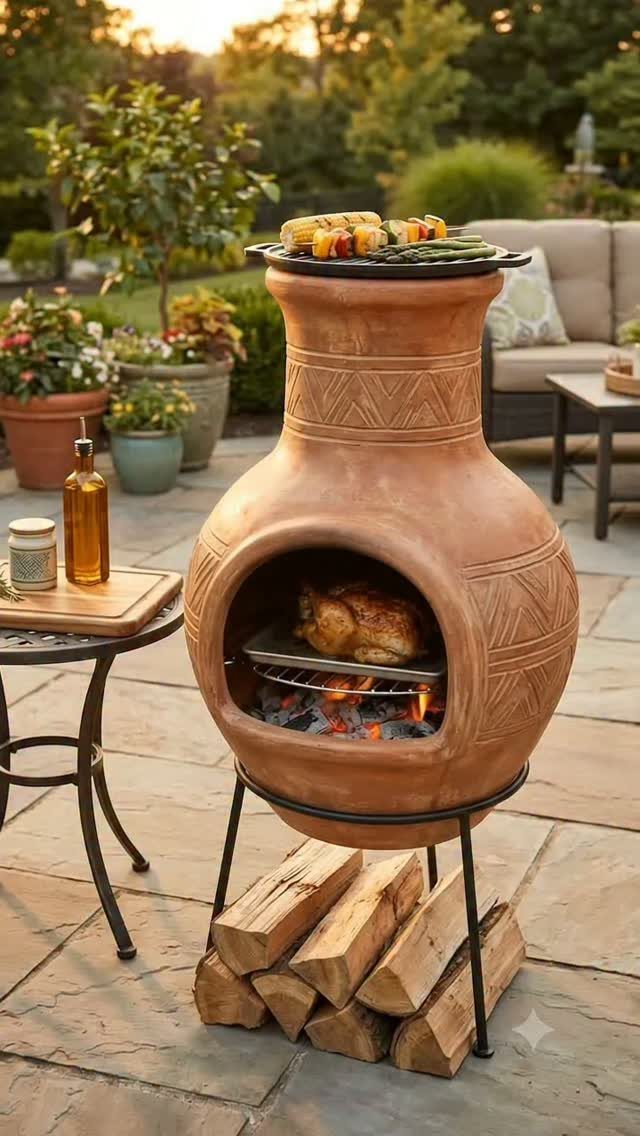
A fire pit or chiminea near the grill gives guests somewhere to gather once the cooking ends.
Keep any fire feature well back from the grill cabinetry so smoke does not blow into the cook’s face and radiant heat does not stress gas lines or siding.
Matching stone or brick between the two structures makes them read as one planned space rather than a grill with an afterthought.
This pays off most for people who entertain into the evening and want the party to outlast the burgers.

【Wide Compatibility】Fits most square fire pit tables from 26 to 28 inches, including Ciays, Bali Outdoors, Yaheetech, TACKLIFE, Endless Summer, AZ Patio Heaters, SNAN, and Bond Manufacturing. Dimensions: 28"W x 28"D x 25"H. Measure your fire pit before ordering.

【Wide Compatibility】Fits most 30,32,34,36 inch wood burning fire pit or fire bowl with spark screen, also fits for Bali Outdoors, YAHEETECH, Sunnydaze and Landmann and more.Dimensions: 36 Dia x 24 H.Measure your fire pit before ordering.

2-IN-1 FIRE PIT AND SIDE TABLE: By night it is a wood burning fire pit; by day the included tabletop lid turns it into a stylish outdoor side table for drinks, snacks, and decor. One piece does the work of two on patios, decks, and small backyards.
10. Vertical Planters
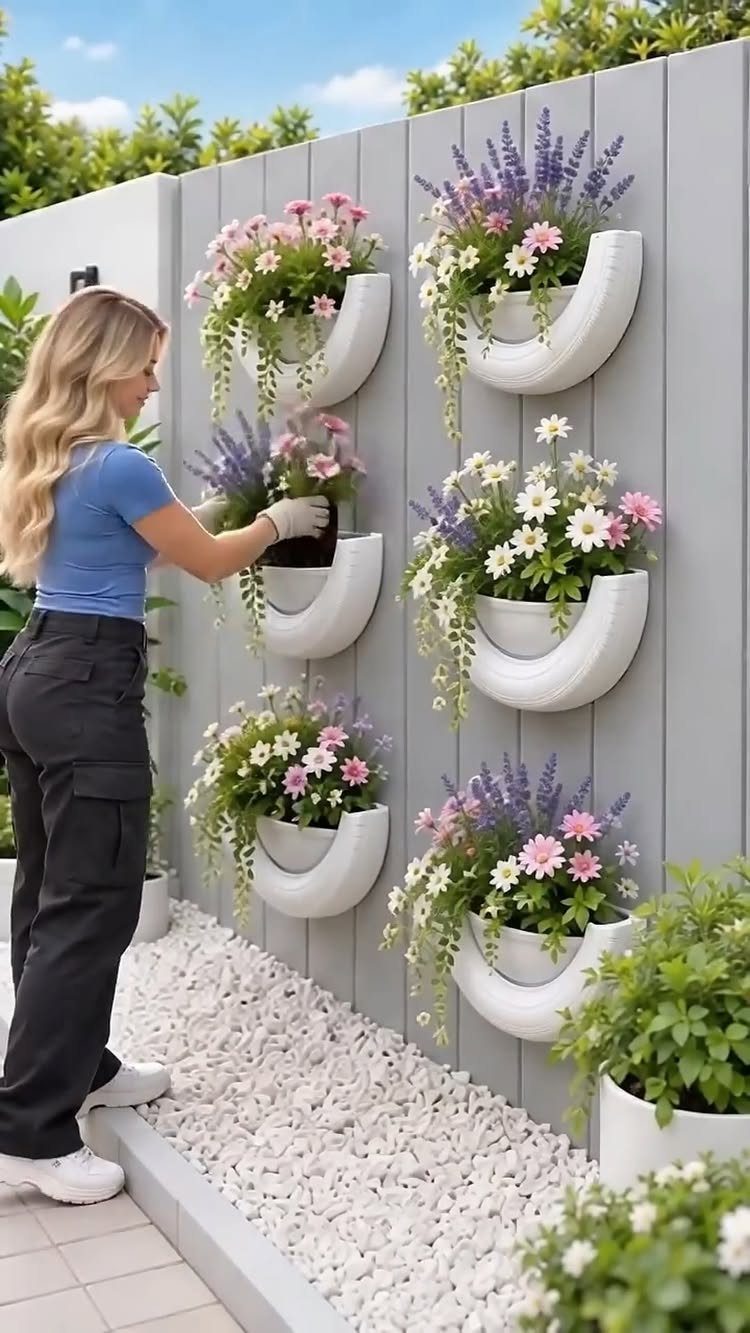
Wall-mounted planters keep herbs within arm’s reach of the grill without stealing floor space from traffic or seating.
Curved white pockets screw to fence boards or railings; fill them with rosemary, thyme, and oregano and you clip as you cook. Drainage matters more than shape: each pocket needs holes or the roots rot by midsummer.
I would mount them on the side of the grill station that gets morning sun and afternoon shade, since most culinary herbs flag in harsh heat.
This works for patios measured in feet rather than yards, and for cooks who forget to water unless the plant is right in front of them.

SPACIOUS 13' X 6' BBQ AREA: The generous frame creates an open grilling and gathering space for family picnics, outdoor parties, and social occasions. Measuring 153.5" L x 76" W overall, the gazebo provides room for food preparation, serving, and conversation while helping guests move around the grill without feeling crowded.

【Durable Material 】- The BBQ grill canopy top is made of 100% polyester, water-repellent and UV-resistant. This durable material prevents tearing and will not be blown away by the wind even on windy days.

【EASY ASSEMBLY】 Pre-installed wing nut connectors and expandable corner button lock ends allow setup in under 20 minutes without tools. Simply connect the frame sections by hand, drape the canopy over the structure, then expand corner poles to achieve ideal tension. No complicated instructions or missing hardware, just quick straightforward assembly that gets you from box to backyard shade faster than heating up the grill.
11. Grill with a View
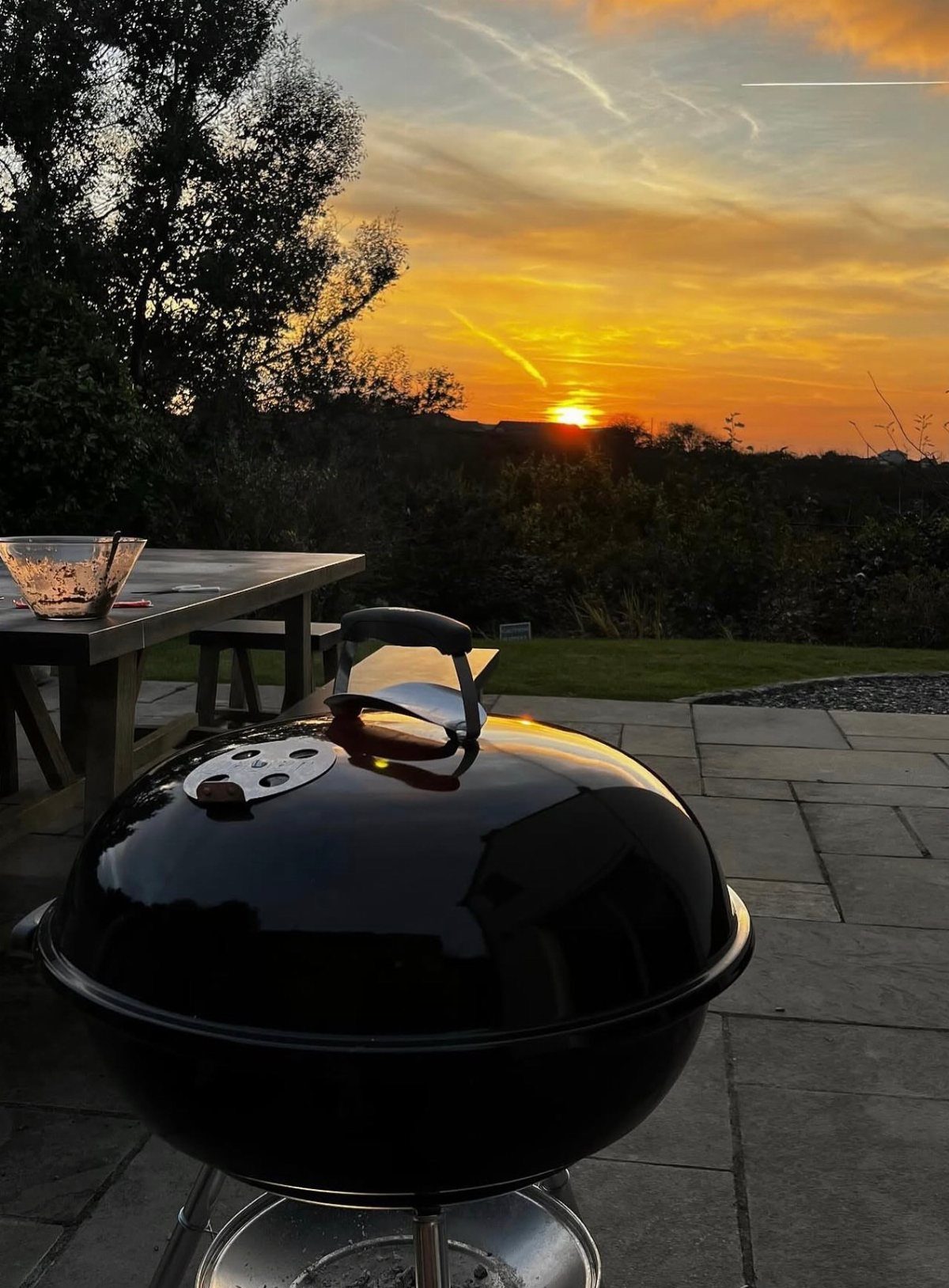
Positioning the grill to face the best part of your yard costs nothing and changes everything about standing there.
Check the prevailing wind first: smoke drifting toward seated guests ruins the effect fast. A 48-inch buffer between grill and any drop-off or railing keeps the setup safe and leaves room for a side table.
This suits any yard with something worth facing, and it costs only the time to wheel or carry the grill to the right spot.
12. Grill Area with Dedicated Smoker Space
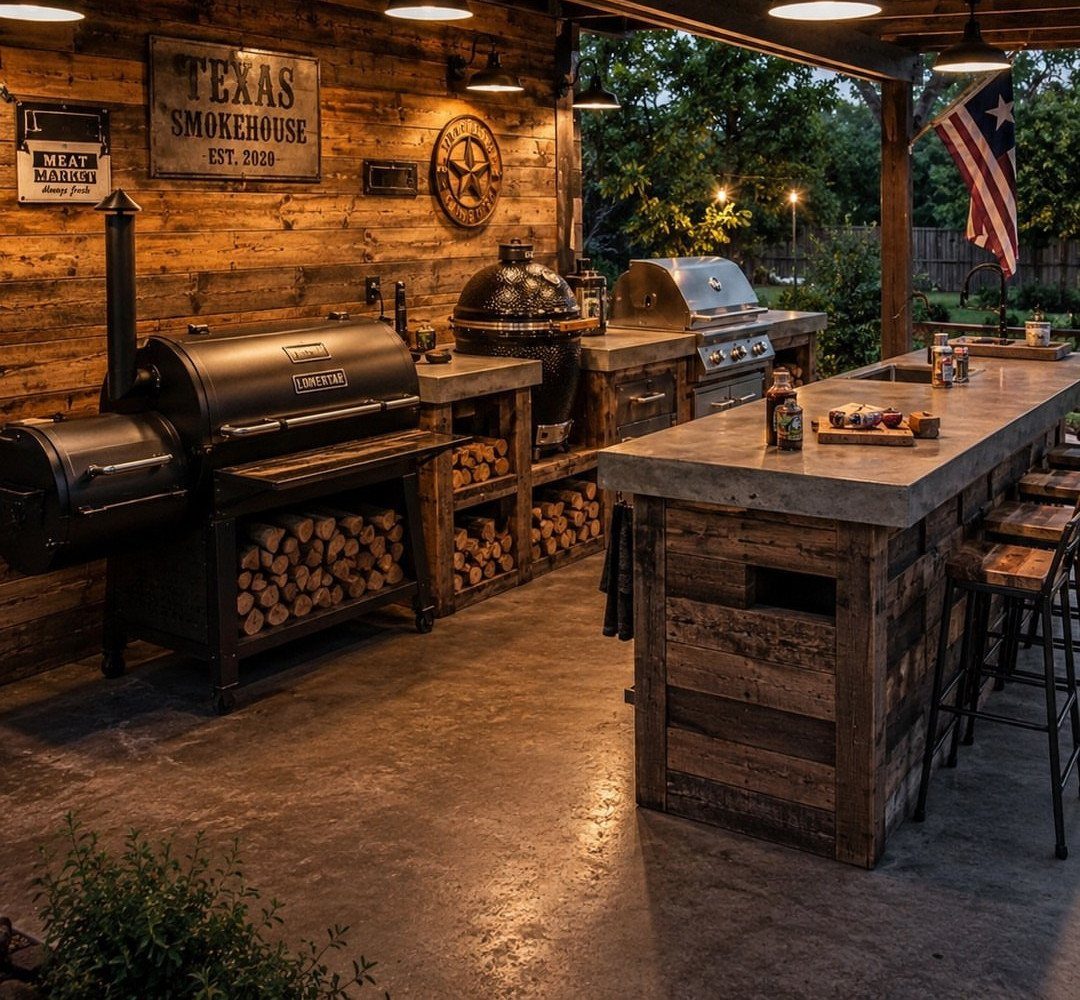
An offset smoker needs its own zone with clear airflow and a surface for trays, foil, and thermometers.
Set a barrel smoker apart from the gas and kamado grills, under the same roof but with room to tend the fire without crowding the main prep area.
Matching the wood paneling and concrete countertops to the rest of the kitchen makes the smoker look built for the space, not wheeled in later.
If room is tight, a smoker box on the gas grill handles occasional ribs; this full setup is for cooks who run the smoker monthly or more and need the real thing.
Choosing the Right Location
Position the grill about 10 to 15 feet from the house.
That distance keeps smoke out of open windows without turning a quick trip for plates into a sprint through rain. Check overhead too; low branches catch sparks and drop debris onto food at the worst moment.
A level surface matters more than it looks. Even a slight tilt sends rolling food toward the coals or the ground; a spirit level takes 30 seconds and saves the burgers.
Covered areas, hanging plants, outdoor furniture, posts, overhead structures, and ground-level plants all need that same 10 to 15 feet of clearance for safety.
All barbecues should be placed at a safe distance (ideally 3m) from trees, wooden furniture, thatch roofs and the house.
Materials for Durability
Stone, brick, or concrete handle weather and heat without warping or staining; wood does neither and belongs on surfaces that do not sit near grease and flame.
Granite and stainless steel both hold up to hot pans straight off the flame without scorching. Salvaged slate from a yard cut costs if you are willing to hunt for matching pieces.
A pergola topped with polycarbonate panels blocks the worst of the sun while still letting light through, so the grill area stays open and bright.
A big patio umbrella costs less and fits where a roof won’t, though you’ll want a heavy base or tie-downs when the wind picks up.
Safety Considerations
Give the grill 10 to 15 feet of clearance on all sides from fences, trees, and anything wicker.
That clearance stops radiant heat from turning adjacent surfaces into fuel. Hang a fire extinguisher somewhere obvious and close; water from a hose just spreads a grease fire around.
Toddlers and hot metal are a combination that never ends well. Local codes often specify clearances from the house and property line; check them before building anything permanent.
If the layout allows, place the grill adjacent to outdoor dining and near the interior kitchen door, but off to the side of sight lines from main windows.
That keeps the yard feeling open and the flow unobstructed between inside and outside.
Maintenance Tips
Clean the grates with a grill scraper or crumpled foil after every cook. Grease trays need swapping monthly, before buildup becomes a fire risk.
Pressure wash stone or concrete surfaces twice a year to lift grease and food residue that stains if it sits. Reseal wood pergolas annually; unsealed wood gray and cracks faster near cooking heat.
When temperatures drop, cover the grill and bring cushions inside. Mildew grows on fabric left out through damp months, and covers beat replacement costs.
Frequently Asked Questions
What are some ideas for a small backyard grill patio?
A portable grill cart you can wheel out when needed keeps floor space open the rest of the time.
Wall-mounted planters for herbs add function without stealing square footage from seating or traffic. Built-in benches wrapping a fire pit give you seating and a gathering spot in one structure rather than separate pieces.
If the patio is really tight, a grill set on a ledge or narrow extension off the house works without dominating the yard.
Where to put a barbecue on a patio?
Set the grill 10 to 15 feet from the house.
Check overhead for low branches that drop debris or catch sparks, and use a spirit level to confirm the surface is flat; even a slight tilt sends food rolling toward the coals or the ground.
What are some ideas for an outdoor barbecue area on a budget?
Cinder blocks stacked dry, no mortar needed, make a firebox that supports any grate you already own or an old oven rack.
A big patio umbrella with a heavy base costs far less than a roof and shades the cooking station fine.
What are some easy BBQ ideas for a backyard event?
I hang string lights in loose loops instead of tight straight lines so the light spreads wider and a single dead bulb doesn’t leave a dark stripe; I switched to LED after 2 seasons of replacing incandescent strands, and the draw is low enough that my solar panel keeps them lit till after midnight even on cloudy days.
A raised bar counter lets guests sit and talk while you work so the cook stays in the conversation instead of exiled to the far side of the yard.