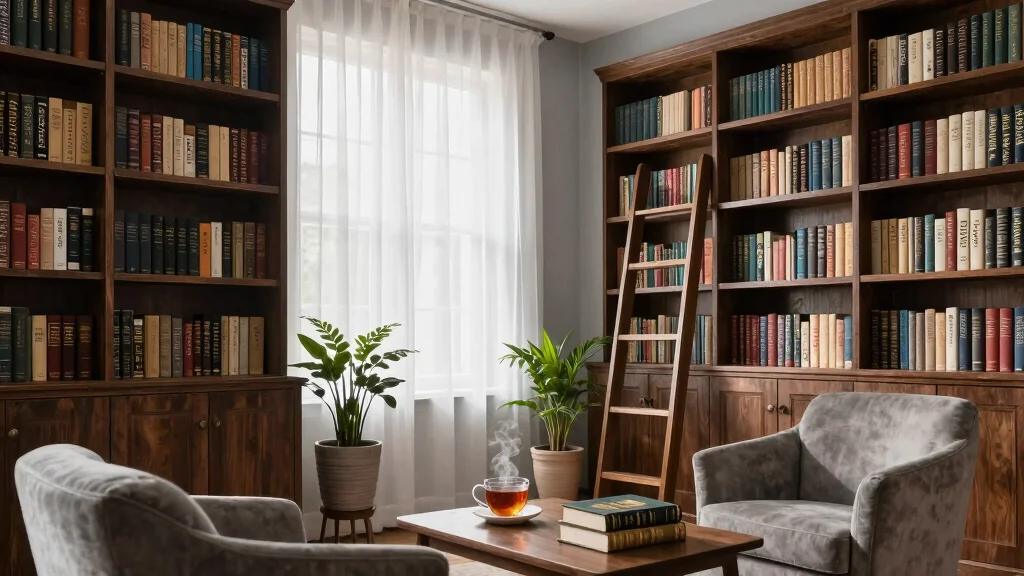
Creating a home that feels warm and inviting often starts with how you display your belongings, and books play a huge role in that process. If you’ve ever found yourself staring at your bookshelf, wondering how to organize those beloved books into something stylish and smart, you’re not alone. This post is here to inspire you. I gathered 15 creative ideas for styling your books on shelf that can transform a cluttered mess into an aesthetically pleasing display.
Whether you’re a dedicated bibliophile, an interior design enthusiast, or just someone looking to spruce up your living space, this guide is for you. You care about creating a home that reflects your personality and interests, and books are a fantastic way to showcase who you are. With these practical tips, you’ll learn how to combine functionality with style, making your books not just a source of knowledge but also a centerpiece of your decor.
Imagine walking into a room where every bookshelf tells a story, not just through the titles on display, but through the thoughtful arrangement of those titles. You’ll find ideas that are easy to implement, no matter your skill level. From color coordination to artful arrangements, you’ll discover ways to make your books shine. Let’s dive right in!
Key Takeaways
– Color Coordination: Arrange books by color to create a visually striking effect that adds warmth to your space.
– Horizontal Stacking: Mix vertical and horizontal book stacks to add variety and break the monotony of a traditional bookshelf.
– Themed Displays: Curate books around a specific theme or topic to create a cohesive look that sparks conversation.
– Integrated Lighting: Use accent lighting to highlight your collection, creating an inviting atmosphere while showcasing your favorite reads.
– Personalized Touch: Incorporate personal items like photos or souvenirs alongside your books for a unique display that reflects your personality.
1. Color Coordination
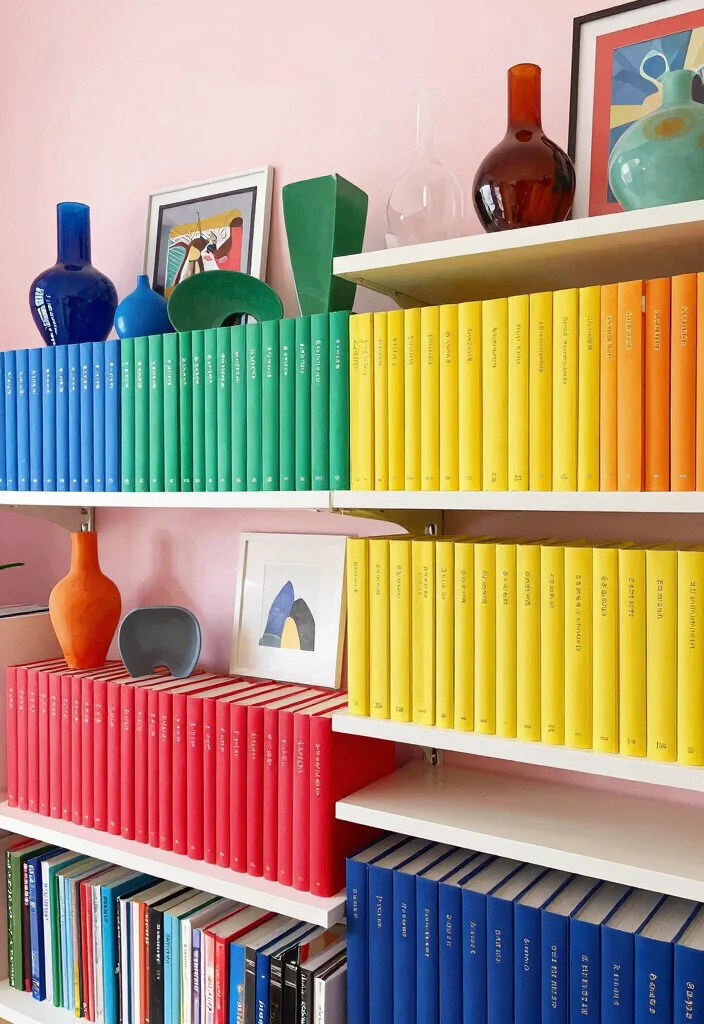
Color coordination can elevate any bookshelf into a stunning focal point. By arranging your books by color, you create a visual gradient that captivates and adds vibrancy to your space. This method shines particularly in modern or eclectic environments, transforming your bookshelf into a true statement piece. Imagine a cascade of blues transitioning into greens, complemented by warm wooden accents for a harmonious look.
To bring this idea to life, start by selecting a cohesive color palette. Consider budget-friendly alternatives by shopping for decorative items at thrift stores or local markets to find unique pieces that match your scheme. This technique not only enhances visual appeal but also reflects your personal style and the current design trends of your home.
Consider these elements to maximize your color-coordinated shelf:
– Pair books in similar shades for a seamless gradient effect.
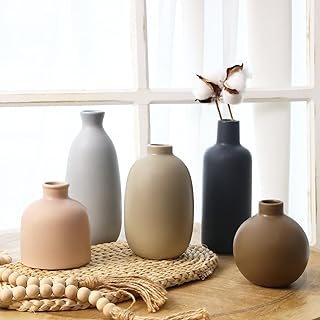
– Incorporate decorative items like vases in matching colors to add interest.
– Use a color wheel for inspiration to find complementary shades.
– Experiment with patterns by mixing in colorful spines or patterned covers.
This approach creates a beautiful harmony while ensuring your favorite titles remain accessible. The interplay of colors and textures enhances the overall aesthetic, making your bookshelf a delightful centerpiece.
Color Coordination
Editor’s Choice





2. Horizontal Stacking
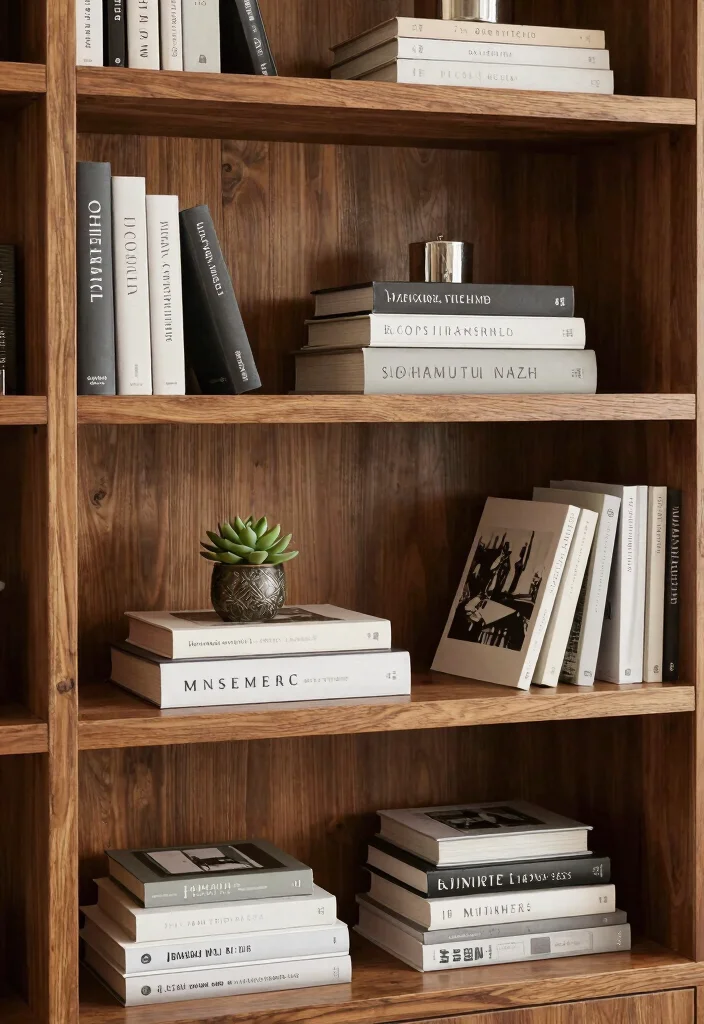
Horizontal stacking offers a chic and functional way to showcase your books. By laying some volumes flat, you introduce depth and interest to your shelves, perfect for displaying oversized coffee table books or unique finds. Imagine a stack of beautiful art books serving as a stylish base for a decorative plant or candle.
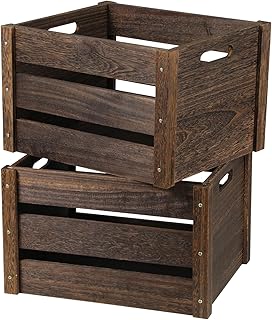
To master this technique, alternate between vertical and horizontal stacks for a layered appearance. Look for budget-friendly options like thrifted books or repurposed wooden crates to create an eclectic vibe. This method not only organizes your books but also adds character to your display, reflecting broader design trends that favor eclectic and personalized spaces.
Here are some tips to perfect your horizontal stacking:
– Create a layered look by mixing vertical and horizontal stacks.
– Use flat books as platforms for decorative items like candles.
– Incorporate various sizes of books for visual intrigue.
– Integrate rustic elements, such as wooden trays, for cohesion.
This approach not only enhances style but also creates a cozy atmosphere, making each piece stand out beautifully.
Horizontal Stacking
Editor’s Choice


Key Trade-offs & Our Top Pick
Option 1: Color Coordination
– Pros:
✔ Creates a visually appealing and cohesive look.
✔ Makes it easy to find books based on color.
✔ Ideal for those who love a pop of color in their decor.
– Cons:
❌ Can limit your book accessibility if not organized by genre.
❌ May require repainting or re-styling if you change decor colors.
❌ Might not suit every aesthetic, especially minimalist styles.
– Best for:
People who want their books to be part of their decor and enjoy bright, bold designs.
Option 2: Horizontal Stacking
– Pros:
✔ Provides a casual and laid-back feel to your shelf.
✔ Allows for decorative items to be placed on top of stacked books.
✔ Helps to utilize vertical space effectively.
– Cons:
❌ Can lead to a cluttered appearance if overdone.
❌ May make it hard to browse books quickly.
❌ Stacked books can be more difficult to keep dust-free.
– Best for:
Those who love a relaxed, eclectic style and want to display various decorative objects.
Option 3: Themed Displays
– Pros:
✔ Creates a unique style that reflects your interests.
✔ Sparks conversation and adds personality to your space.
✔ Allows for creative expression through curated book choices.
– Cons:
❌ Requires planning and a clear theme to be effective.
❌ May limit your ability to mix genres and authors.
❌ Can feel dated if themes are not updated over time.
– Best for:
Avid readers who want their love for books to shine through their decor.
Expert Recommendation:
Best Overall: Color Coordination
Color coordination stands out as the best overall choice for bookshelf styling. It not only enhances your decor but also provides a method for organizing books effectively. With a wide variety of colors available, you can create a vibrant display that suits almost any interior design style. Plus, it’s easy to maintain and update, making it a versatile option for long-term use.
Why We Picked This:
While color coordination is our top pick, some may prefer horizontal stacking for its casual vibe. Themed displays offer an expressive option for those who want their shelves to tell a story. Each option has its charm, depending on your aesthetic preferences and practical needs. Remember to weigh the pros and cons based on your unique space and style.
3. Themed Displays
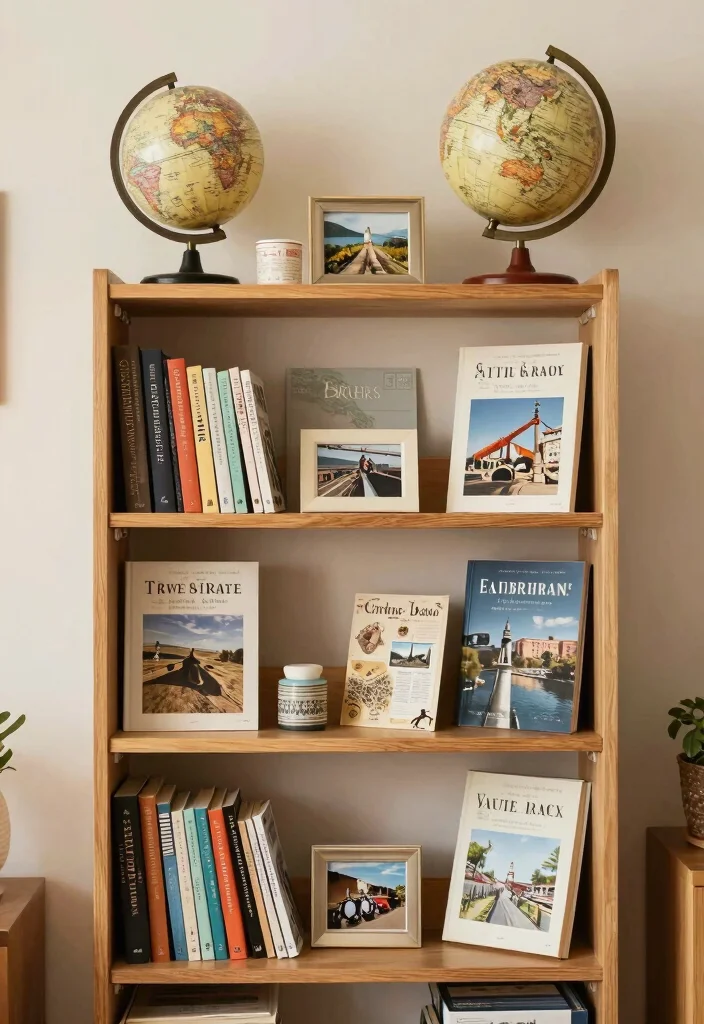
Themed displays provide a fantastic opportunity to showcase your unique interests and passions. Whether you’re passionate about travel, cooking, or photography, curating your bookshelf around a specific theme can create a cohesive and engaging look. Picture travel books arranged alongside souvenirs and photos from your adventures, telling a story that sparks conversation.
To create an effective themed display, choose a theme that resonates with you personally. Consider sourcing decorative items from local flea markets or online shops that reflect your chosen theme. This technique not only organizes your bookshelf but also invites guests to share in your passions.
Here are some strategies for crafting a thematic display:
– Choose a theme, like travel, and pair books with relevant decor.
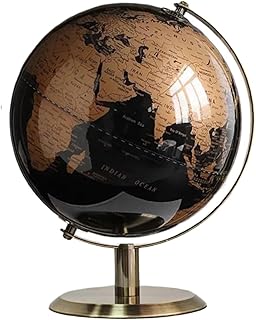
– Incorporate thematic decor items, such as globes or vintage cameras.
– Group books by genre or topic for clarity and appeal.
– Use small labels to subtly mark different sections.
This method allows your bookshelf to reflect your personality, creating a warm and inviting space that resonates with your interests.
Themed Displays
Editor’s Choice



4. Minimalist Approach
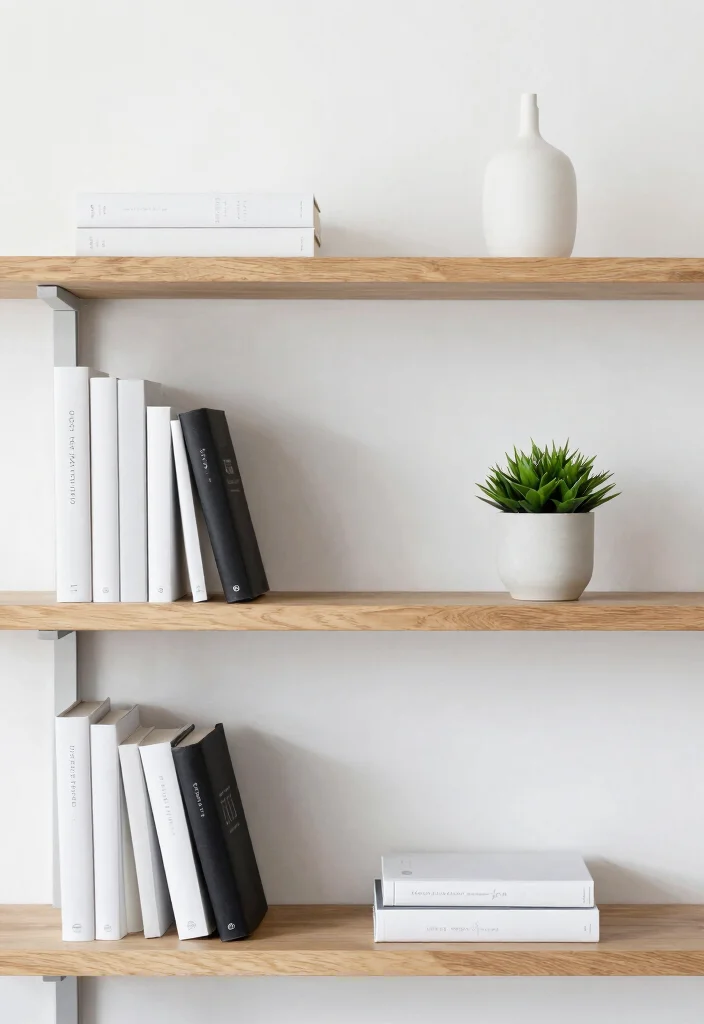
If clutter isn’t your style, a minimalist approach might be the ideal choice for your bookshelf. Focusing on a limited selection of books and decor can create a serene and elegant space. Minimalism emphasizes clean lines and simplicity, allowing each piece to shine individually. Think of a sleek shelf featuring only your favorite books and a few carefully chosen decorative accents.
To achieve a minimalist look, stick to a cohesive color palette, such as whites, blacks, and natural wood tones. Consider donating or storing books that don’t spark joy to streamline your display. This approach not only looks sophisticated but also aligns with current trends favoring simplicity and mindfulness in design.
Here are some key tips for a minimalist bookshelf:
– Choose a limited color palette for a unified look.
– Display only your favorite books, reducing clutter effectively.
– Incorporate negative space for balance and visual ease.
– Use functional decor like sleek bookends to enhance organization.
This strategy creates a chic environment that highlights the beauty of your favorite titles while promoting a peaceful atmosphere.
Minimalist Approach
Editor’s Choice




5. Mixing Materials
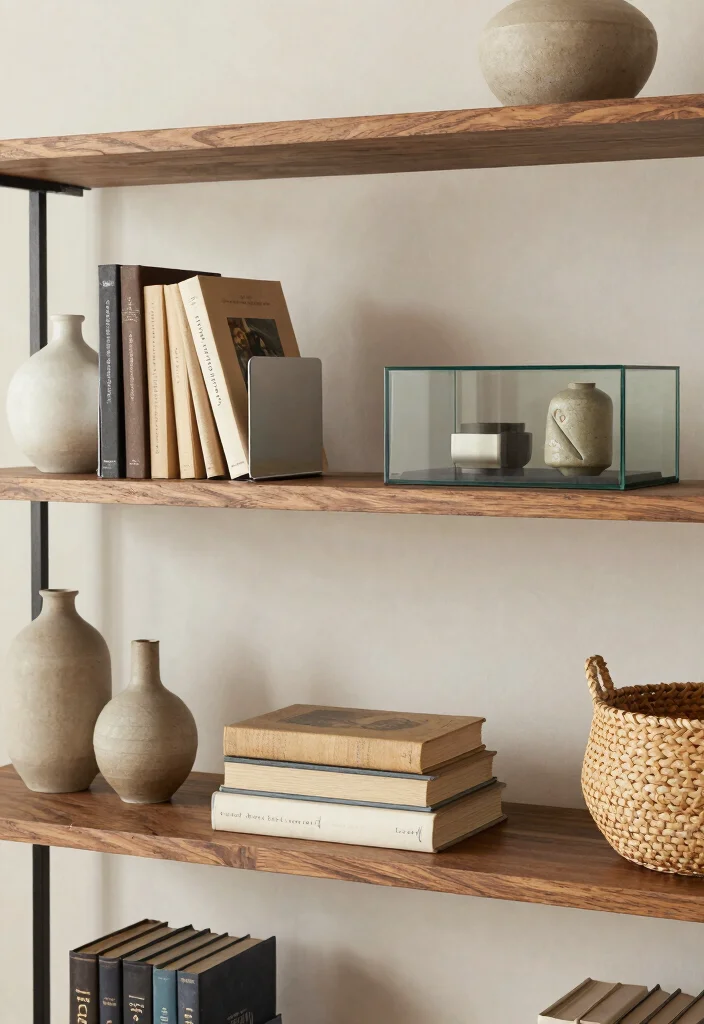
Mixing different materials on your bookshelf can create a captivating and dynamic visual experience. Combining wood, metal, glass, and acrylic elements adds depth and character to your display, inviting viewers to explore. Imagine rustic wooden shelves paired with sleek metal bookends, creating a striking contrast that draws the eye.
To successfully mix materials, think about incorporating textured decor items, like woven baskets or ceramic pieces, to enhance visual interest. Look for budget-friendly options at local stores or online marketplaces to find unique pieces that fit your style. This technique not only enriches your bookshelf but also aligns with broader design trends that celebrate eclectic and layered aesthetics.
Consider these tips for mixing materials effectively:
– Pair wooden shelves with metal bookends for striking contrast.
– Integrate textured decor items for added interest.
– Utilize clear acrylic shelves to create a light, airy feel.
– Vary the heights of decorative items for an organic look.
This creative blend of materials brings warmth and vitality to your space, creating an inviting atmosphere.
6. Seasonal Decor
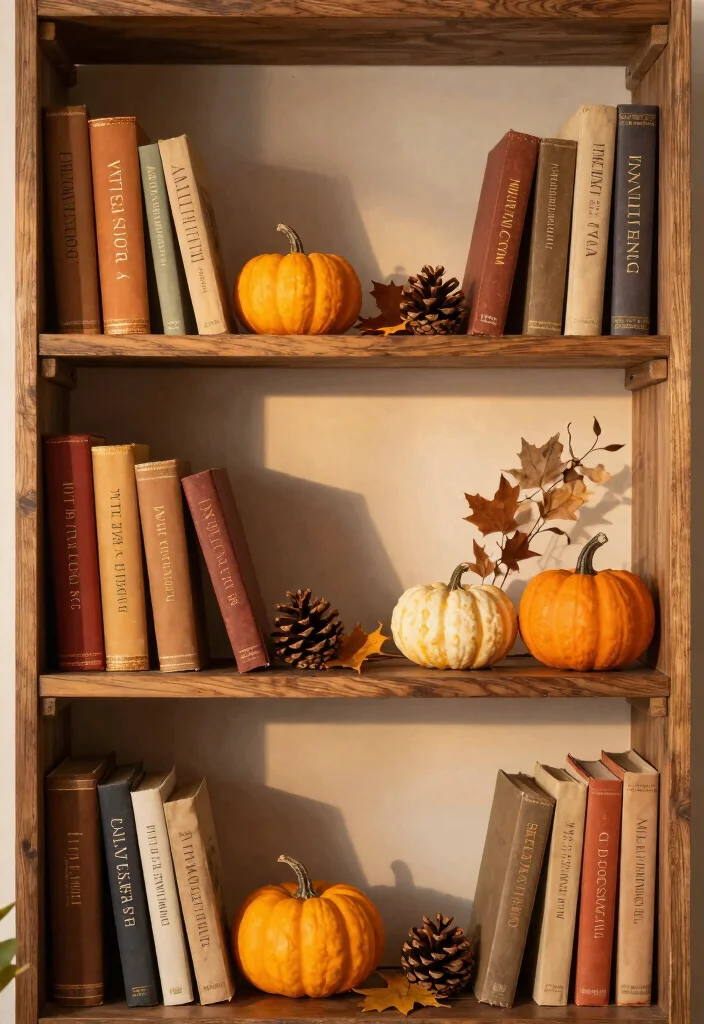
Incorporating seasonal decor into your bookshelf styling is a delightful way to keep your space feeling fresh and vibrant throughout the year. By updating small decorative elements and a few books, you can easily transition your shelf to reflect the current season. Picture warm autumn hues and festive decorations in winter, creating a cozy atmosphere that resonates with the time of year.
To seasonally style your shelves, use colors that reflect the season—warm tones for fall and soft pastels for spring. Look for seasonal decor items at local craft stores or during seasonal sales to keep costs down. This approach not only keeps your bookshelf interesting but also allows you to express your creativity and engage with the changing seasons.
Here are some ideas for seasonal styling:
– Use seasonal colors to reflect the mood of each season.
– Incorporate seasonal decor items like small pumpkins or pinecones.
– Change out books for editions with matching cover art.
– Add elements like scented candles or seasonal flowers to enhance ambiance.
This method not only beautifies your bookshelf but creates a lively and inviting environment that changes with the seasons.
Fun fact: swapping just 3 decor pieces and 2 books on shelf can transform your seasonal display in under 15 minutes. Small updates lead to big seasonal impact.
7. Artful Arrangement
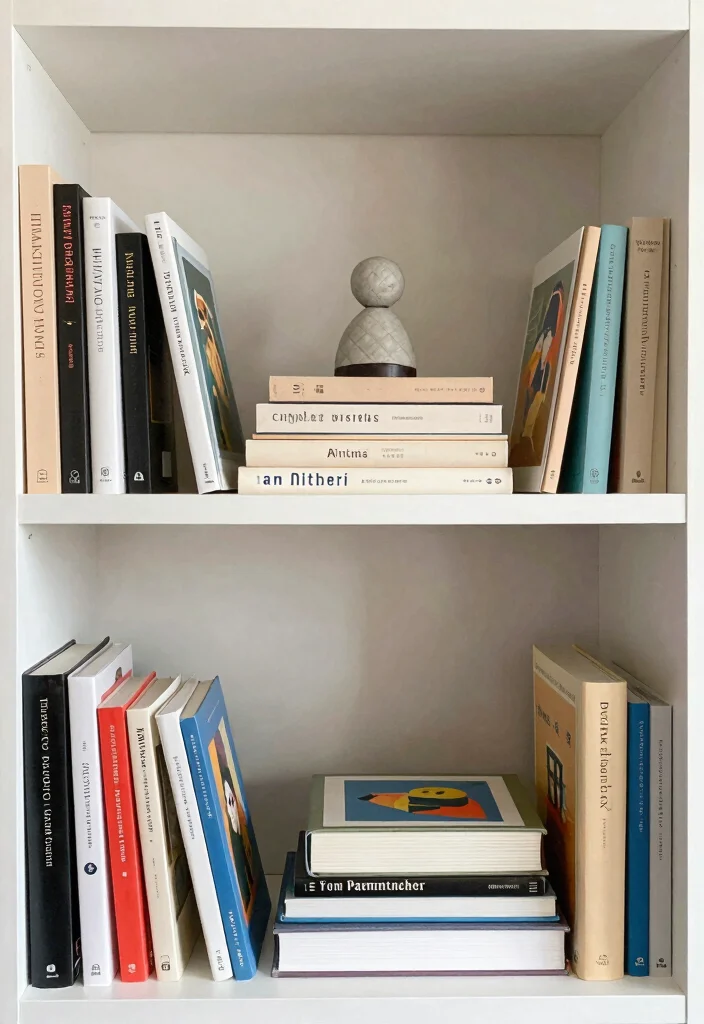
An artful arrangement emphasizes aesthetics in how you place your books and decor, crafting a visually appealing landscape. Stacking books in creative layouts and interspersing artistic elements can transform your bookshelf into a work of art. Imagine books arranged in clusters, paired with sculptures and framed photos that draw the eye and tell a story.
To achieve an artful arrangement, experiment with mixing sizes and orientations—some books upright, others stacked. Look for decorative pieces that resonate with your personal style, adding depth and intrigue to your display. This technique allows every item to contribute to a cohesive artistic vibe, reflecting broader design trends that favor personalized and curated spaces.
Here are some tips for an artful arrangement:
– Mix orientations of books for visual variety.
– Incorporate small art pieces among the books for intrigue.
– Add pops of color with decorative items or vibrant spines.
– Ensure your arrangement flows visually, guiding the gaze.
This approach not only showcases your books but transforms your bookshelf into an artistic statement that invites admiration.
Artful Arrangement
Editor’s Choice


8. Vintage and Antique Finds
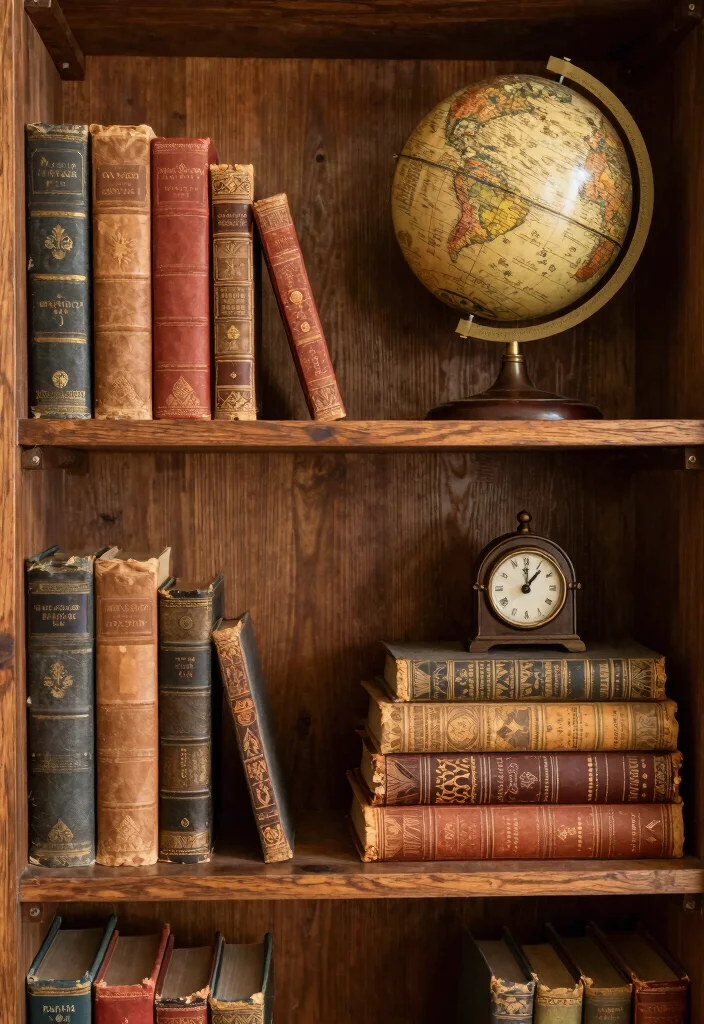
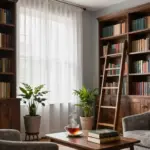
Incorporating vintage and antique items into your bookshelf styling adds character and charm. Old books and unique finds tell stories of the past, serving as beautiful decor elements that evoke nostalgia. Picture a collection of antique books nestled among modern titles, creating a rich tapestry of history and style.
To successfully integrate vintage pieces, seek out antique books with beautiful covers or unique bindings for display. Look for vintage decor items like globes or old clocks at flea markets or online shops to enhance the nostalgic atmosphere. This method not only celebrates the beauty of the past but also personalizes your space in a way that connects with history.
Here’s how to incorporate vintage elements:
– Choose antique books with stunning covers for display.
– Mix in vintage decor like old vases or clocks for charm.
– Consider muted color palettes to complement modern elements.
– Create focal points with larger vintage items that attract attention.
This style enriches your bookshelf, making it a unique expression of your personality and love for history.
9. Integrated Lighting
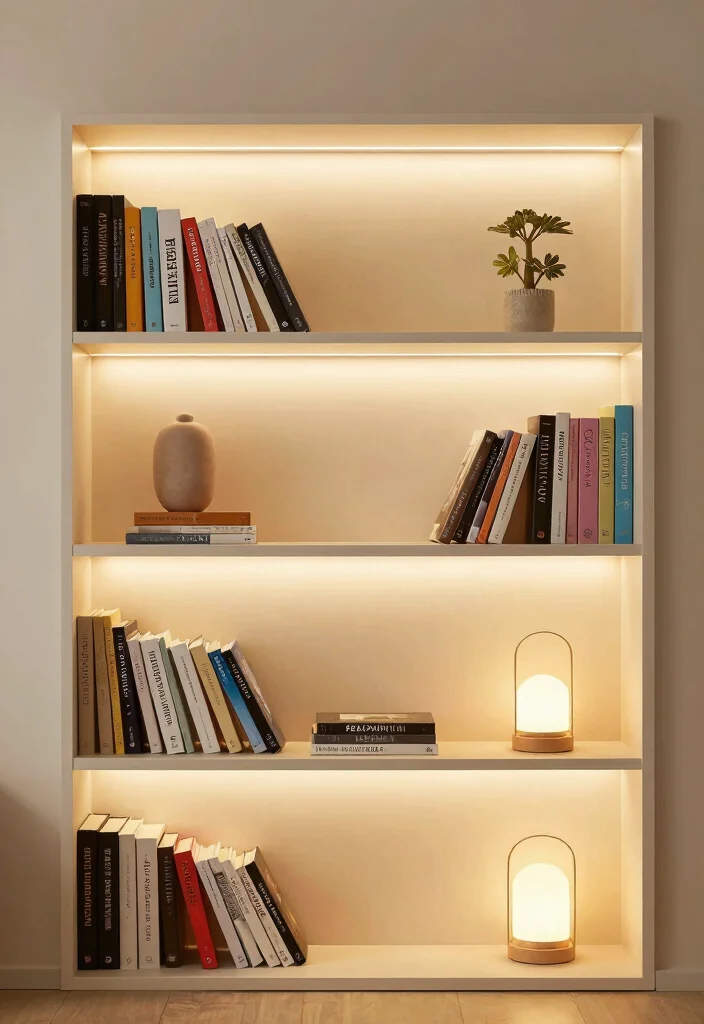
Integrating lighting into your bookshelf design offers both functional and aesthetic benefits. Proper lighting can spotlight your book collection while creating an inviting atmosphere in your home. Whether using LED strip lights or small lamps, lighting can elevate your bookshelf from ordinary to extraordinary.
For effective lighting, consider installing LED strips along shelf edges for a subtle glow. Explore budget-friendly options like battery-operated lights or fairy lights to keep costs low. This technique not only enhances the visual appeal of your bookshelf but also complements the current trend of incorporating lighting into interior design.
Here are some tips for integrating lighting:
– Use LED strips to create a warm, inviting glow.
– Add small lamps that match your decor style for focused lighting.
– Place decorative lights among books to highlight specific titles.
– Experiment with dimmers to adjust ambiance for different occasions.
This simple addition transforms your bookshelf into a standout feature, enhancing your overall decor while showcasing your beloved books.
10. Natural Elements
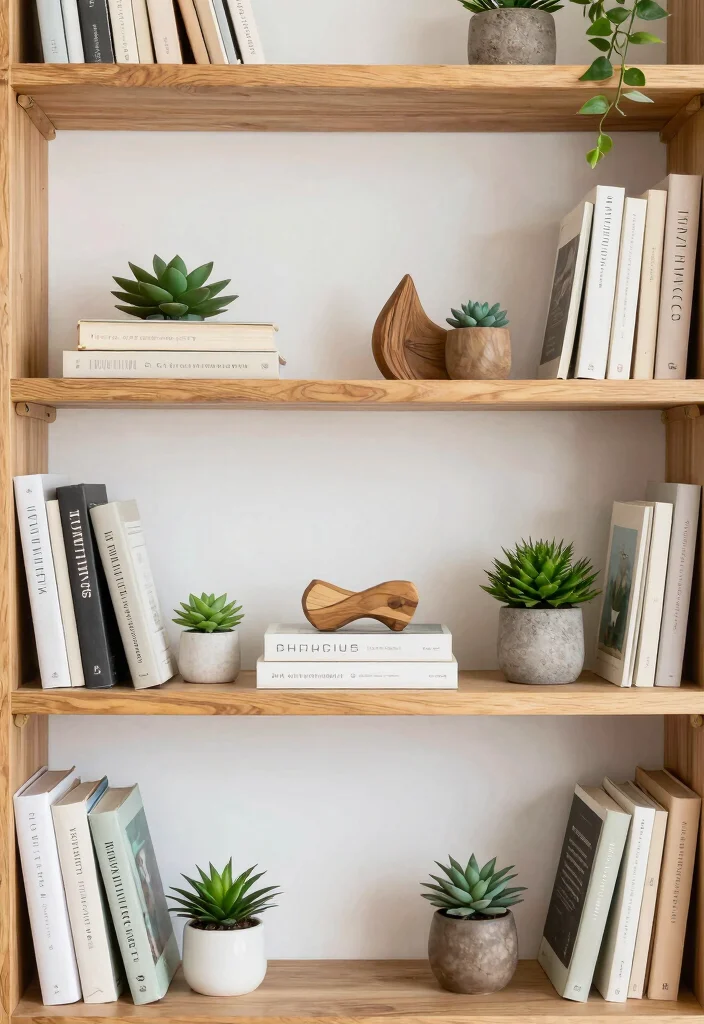
Bringing natural elements into your bookshelf styling fosters a fresh and inviting atmosphere. Incorporating plants, stones, and wooden decor can connect your space to nature while softening the hard lines of bookshelves. Imagine lush green plants nestled among your favorite titles, creating a vibrant and dynamic display.
To include natural elements, consider adding small potted plants or succulents for a touch of life. Look for budget-friendly options like driftwood or stones to enhance your natural theme. This approach not only beautifies your bookshelf but also aligns with current trends favoring biophilic design, which emphasizes the connection to nature.
Here are some ideas for incorporating natural elements:
– Add potted plants or succulents to breathe life into your shelves.
– Use branches or driftwood as unique decor pieces.
– Incorporate wooden bookends or trays for cohesion.
– Choose earth tones for a calming effect.
This method enhances your bookshelf while promoting a serene and calming environment that invites tranquility.
11. Bookends as Decorative Elements
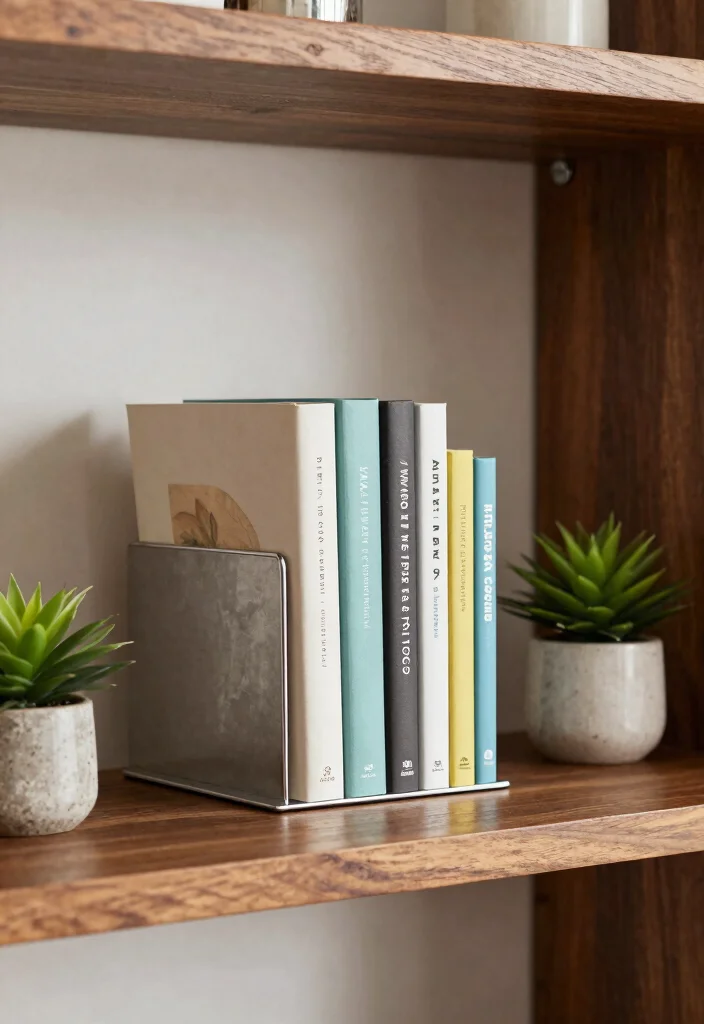
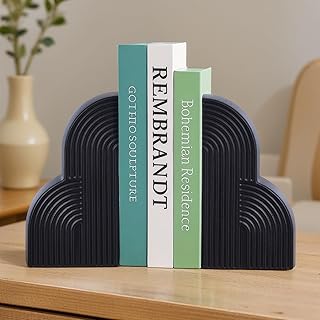
Bookends provide a wonderful opportunity to incorporate style into your bookshelf while keeping your books organized. Choosing decorative bookends enhances your overall aesthetic while ensuring functionality. They serve both as a practical tool and a design element, making them essential in any styled bookshelf.
When selecting bookends, consider materials that resonate with your decor style—metal, wood, or ceramic can add texture. Look for unique designs that reflect your personality, whether whimsical or vintage. This technique not only helps organize your books but also aligns with the current trend of personalized and statement-making decor.
Here are some considerations for decorative bookends:
– Choose materials that complement your overall decor style.
– Opt for unique designs that showcase your personality.
– Use bookends to balance heavier and lighter books.
– Integrate bookends with decor like plants for a cohesive look.
With the right bookends, your bookshelf can become both functional and beautiful, enhancing the visual appeal of your space.
12. Multi-Functional Pieces
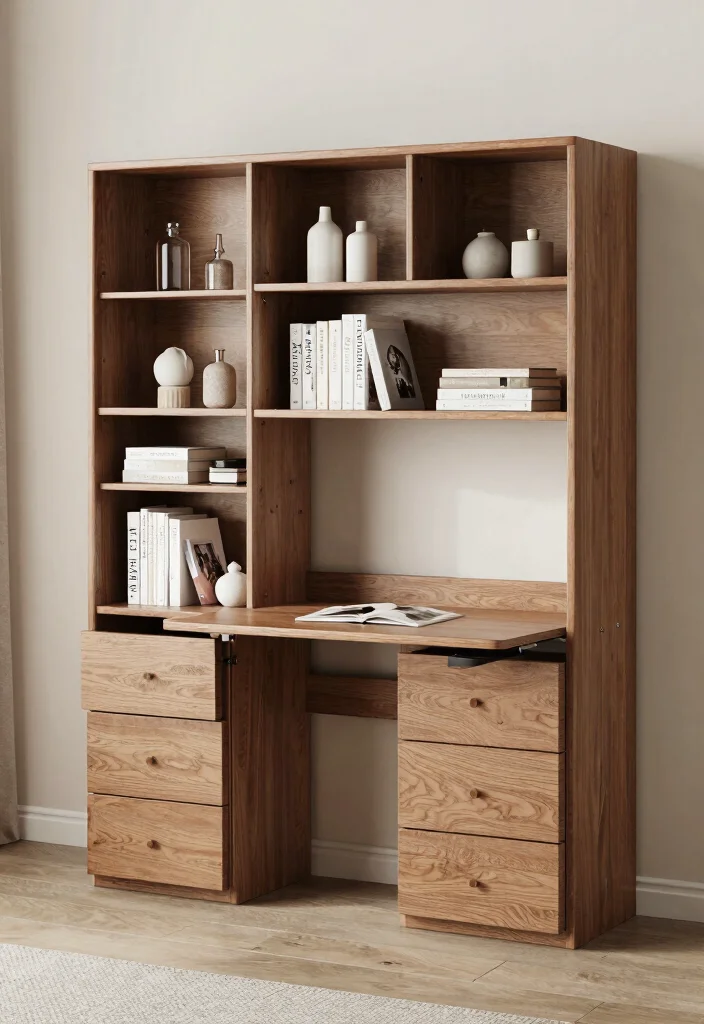
Incorporating multi-functional furniture into your bookshelf design can maximize space while adding style and practicality. From bookshelves with integrated desks to storage ottomans, versatile solutions help keep your area organized. Imagine a bookshelf that doubles as a workspace, seamlessly blending functionality and style.
To effectively use multi-functional pieces, consider bookshelves with additional features like cabinets or drawers for extra storage. Look for storage ottomans that house books while providing seating. This approach not only organizes your space but also aligns with current trends prioritizing functional design.
Here are some tips for utilizing multi-functional pieces:
– Choose bookshelves that offer integrated storage solutions.
– Use storage ottomans for books and as extra seating.
– Consider wall-mounted shelves to save floor space.
– Incorporate modular units that adapt to your changing needs.
This strategy enhances your space’s flow while providing practical solutions that reflect your style.
Fun fact: a bookshelf with an integrated desk saves up to 40% of small-space footprint—perfect for home offices. Add a storage ottoman for 2-in-1 seating and hidden bins, keeping books on shelf and everything else tidy.
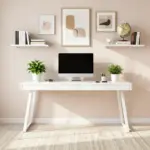
13. Wall-Mounted Shelves
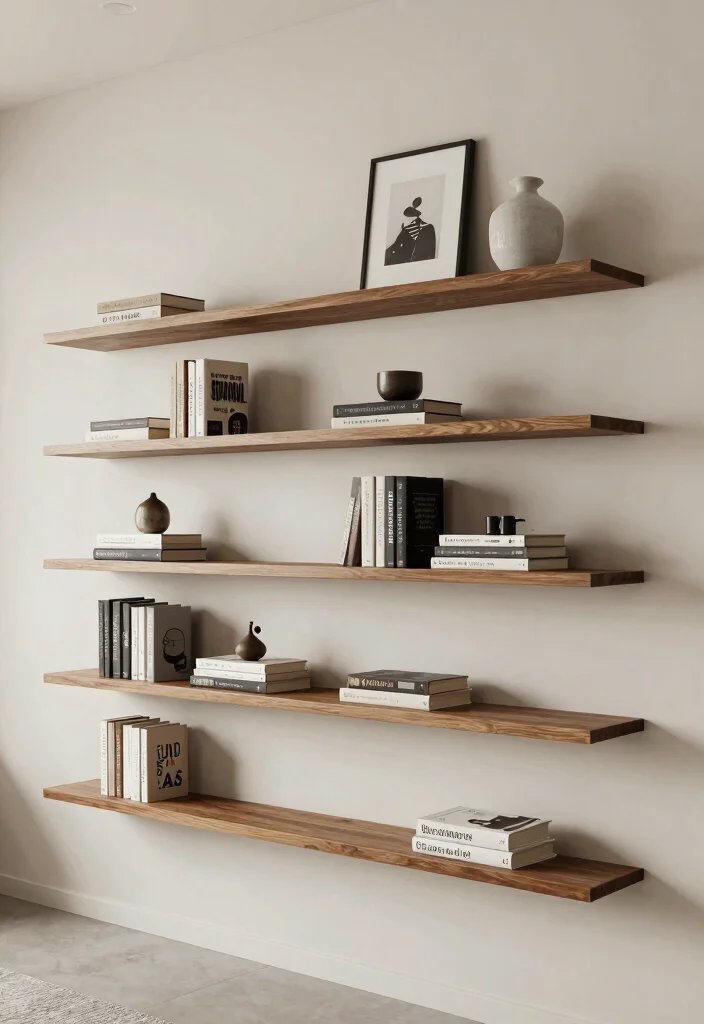
Wall-mounted shelves are an excellent way to display books while saving valuable floor space. This stylish option introduces a contemporary touch to any room and allows for creative arrangements. Picture your favorite books floating at eye level, creating an artistic display without the bulk of traditional shelving.
To make the most of wall-mounted shelves, mix various lengths for visual interest and install them at different heights. Consider floating shelves to maintain an airy look, showcasing both books and art. This approach not only optimizes space but also aligns with current design trends favoring open, airy environments.
Here are some ideas for wall-mounted shelves:
– Mix shelf lengths for an engaging visual display.
– Use floating shelves to keep the look light and open.
– Incorporate wall art for a cohesive, curated appearance.
– Choose materials that complement your decor style.
This approach transforms your wall into a stunning showcase, enhancing your overall decor with a modern flair.
14. Open vs. Closed Storage
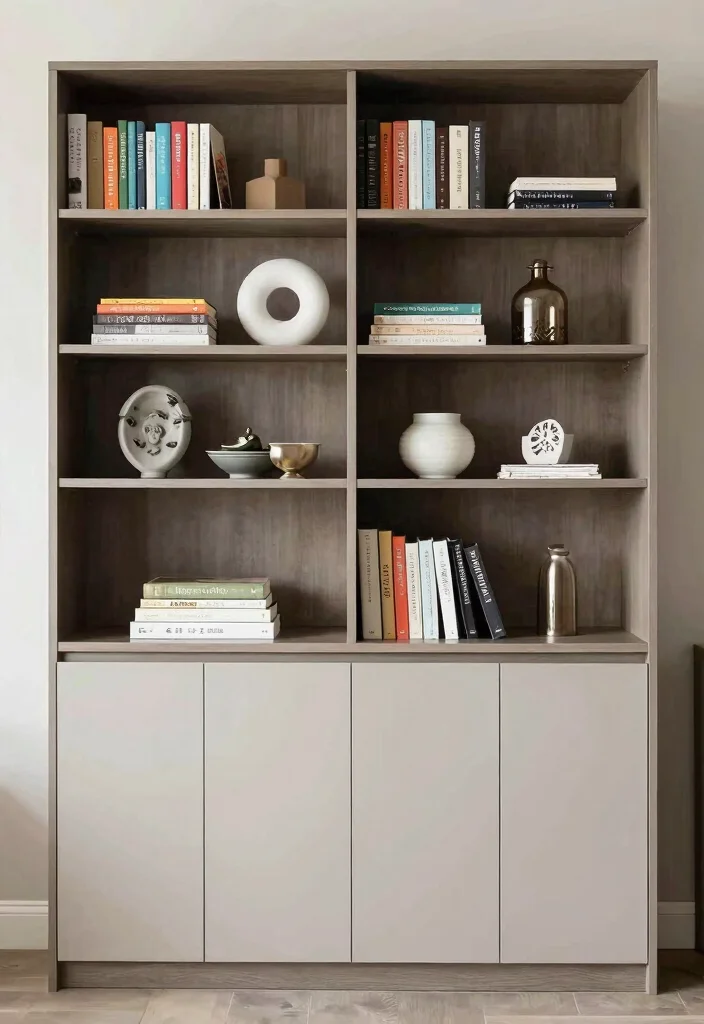
Choosing between open and closed storage for your books can significantly impact your bookshelf styling. Open shelving creates a casual and accessible vibe, while closed storage offers a neat and streamlined appearance. Balancing both styles can lead to a polished and organized look.
To effectively integrate open and closed storage, use open shelves for decorative books that showcase your personality while keeping frequently accessed titles easily reachable. Incorporate closed cabinets at the bottom for less visually appealing items. This method not only organizes your space but also reflects current design trends favoring a mix of styles.
Here are some tips for blending open and closed storage:
– Use open shelves for decorative items and accessible books.
– Incorporate closed cabinets for hidden storage solutions.
– Mix both styles to create a layered, organized look.
– Ensure your bookshelf’s size complements your overall decor.
This balance creates a functional yet aesthetically pleasing bookshelf that fits seamlessly into your home.
15. Personalized Touch
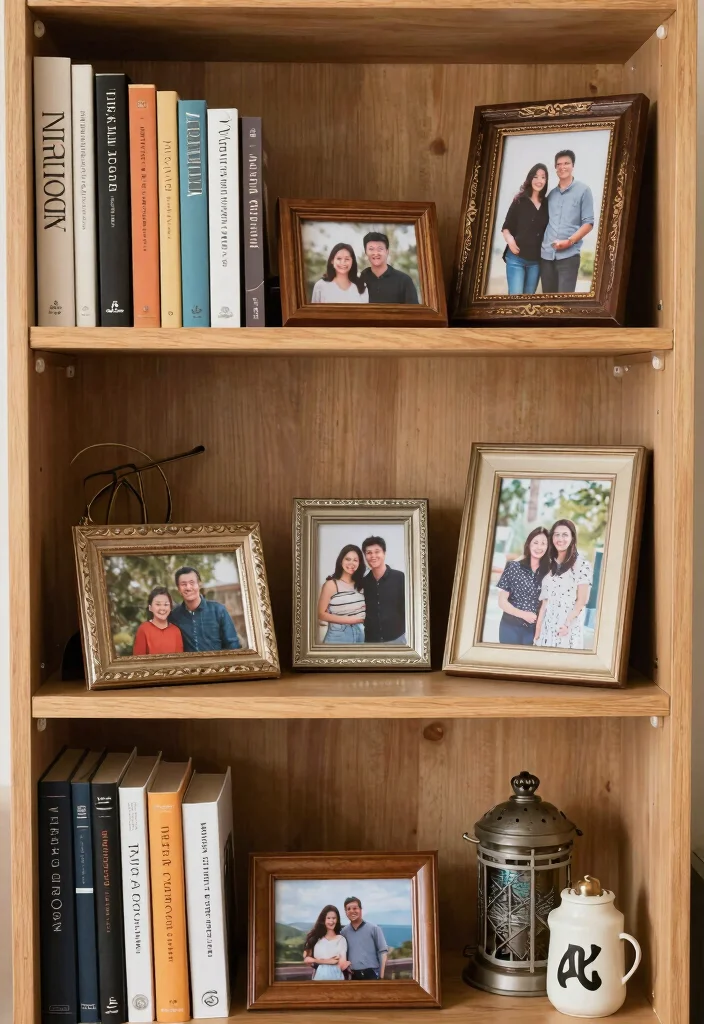
Adding personal touches to your bookshelf transforms a simple display into a reflection of your life and interests. Including items that tell your story or unique finds from travels can make your bookshelf feel authentically yours. Imagine family photos and travel mementos nestled among your favorite titles, inviting conversation and connection.
To effectively personalize your bookshelf, display family photos or personal artwork alongside your books. Incorporate meaningful mementos, like postcards or souvenirs, that hold sentimental value. This approach not only enhances the visual appeal but also creates a space that encourages engagement with your bookshelf on a personal level.
Here are some strategies for adding a personalized touch:
– Display family photos or art among your books.
– Include travel mementos that carry sentimental value.
– Create curated sections based on personal interests.
– Experiment with layouts that showcase your personality.
This method enriches your bookshelf, making it a unique expression of who you are and what you love.
Your books on shelf become conversation starters when you weave in photos and travel keepsakes. Add one meaningful item per shelf, then rotate seasonally to keep the display fresh and authentically yours.
Conclusion
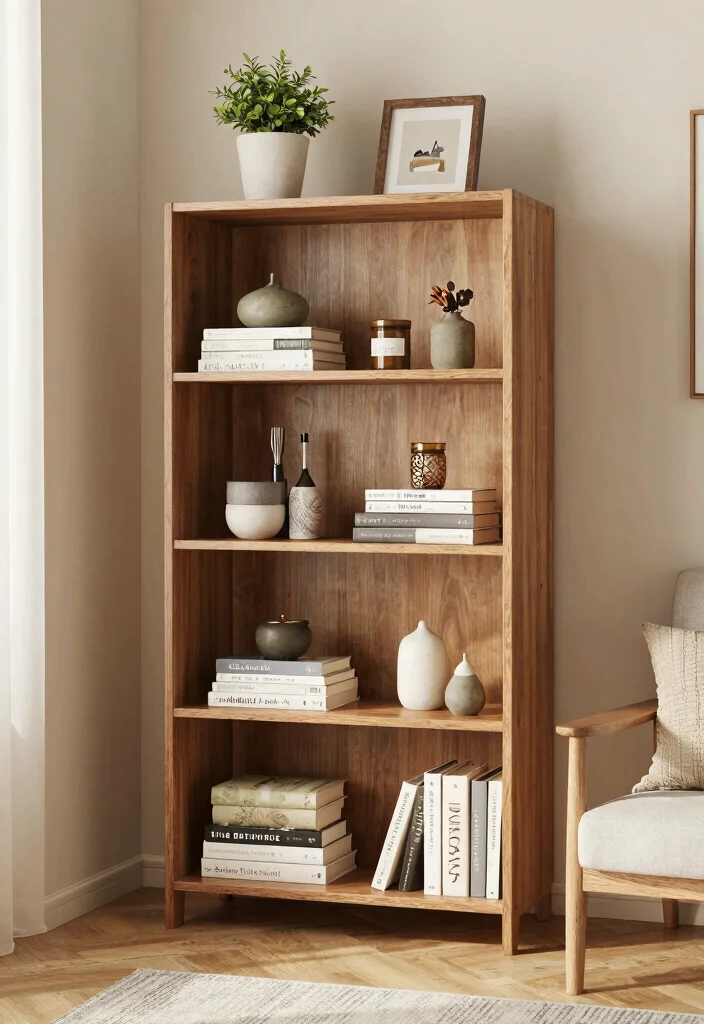
Styling your bookshelf can be a fun and creative journey, allowing you to express your personality while keeping your space organized. Whether you choose to go colorful, minimalist, or even seasonal in your decor, there are endless possibilities for making your books on shelf a stylish part of your home.
Using the ideas shared here, you can mix and match techniques to find the perfect balance for your space. So grab those books and get creative with your shelves—your home is waiting for a fresh look!
Note: We aim to provide accurate product links, but some may occasionally expire or become unavailable. If this happens, please search directly on Amazon for the product or a suitable alternative.
This post contains Amazon affiliate links, meaning we may earn a small commission if you purchase through our links, at no extra cost to you.
Frequently Asked Questions
What are the best starter ideas for styling books on shelf to look stylish and cohesive?
Start with a clear plan for books on shelf to keep everything cohesive. Group titles by color, size, or theme to create a visual rhythm. Alternate between vertical and horizontal stacks so the shelf doesn’t feel flat. Leave plenty of negative space and mix in a few accessories—plants, frames, or a sculptural object—so the display reads as a curated composition. Finally, rotate a shelf or two every month to keep your bookshelf styling fresh as part of your home decor ideas.
How can I integrate decorative book display with other decor on the shelf without clutter?
Think of your shelf as a mini room—let your decorative book display tell a story, not a store. Start with a simple color palette and a few anchor pieces (a plant, a framed photo, or a sculptural object). Use books on shelf as the base—arrange some upright and some angled—then place décor items at varied heights to create visual interest. Keep clutter under control by capping the number of books per section and tucking away extras out of sight when not in use. This is a straightforward way to translate home decor ideas into a balanced, smart display with interior design tips.
What are budget-friendly techniques for organizing books to look stylish on a shelf?
Start with a quick declutter so you only keep the titles you actually love, then group by height or color to introduce rhythm. Use bookends or DIY holds from simple objects to keep stacks neat. Alternate vertical and horizontal arrangements and sprinkle in a few decorative pieces—like a small planter or a framed photo—so the display feels curated, not cluttered. With a little rearranging and organizing books discipline, you can achieve bookshelf styling that reads as high-end on a budget.
Which interior design tips help create a versatile bookshelf that works across rooms?
Prioritize adjustable shelves and consistent spacing so the shelf can adapt to new books or décor. Stick to a restrained color palette for easy coordination with different rooms, and use a few statement items to punctuate the display. Consider symmetry on larger walls, or vary the layout for a more dynamic feel in smaller spaces. Think of the shelf as part of your overall interior design tips—it should harmonize with home decor ideas and be easy to update.
What simple steps from the article 15 Books on Shelf Ideas That Look Styled & Smart can I apply today?
Start with 3 core colors and arrange titles in alternating vertical and horizontal blocks to create movement. Add 1–2 decorative pieces per shelf—like a plant, trinket, or photo—but don’t overdo it. Use decorative book display techniques such as bookends, layered books, and height variation to build depth. Finally, rotate a subset of books every few weeks so your display stays fresh and living, a practical example of home decor ideas and interior design tips in action.
Related Topics
books on shelf
bookshelf styling
home decor
decorative book display
organizing books
interior design tips
minimalist design
creative storage
easy styling
vintage style
beginner friendly
trending decor